| Seoul ● City Culture, Weekly | KO · EN |
| Seoul Weekly. |
2026 — W44
Oct 30 (Fri) – Nov 5 (Thu) Previous issue |
|
Cover Story · 2026 W44 On the Threshold — The Week Halloween Ends, Seoul's Stages Turn Death into a Question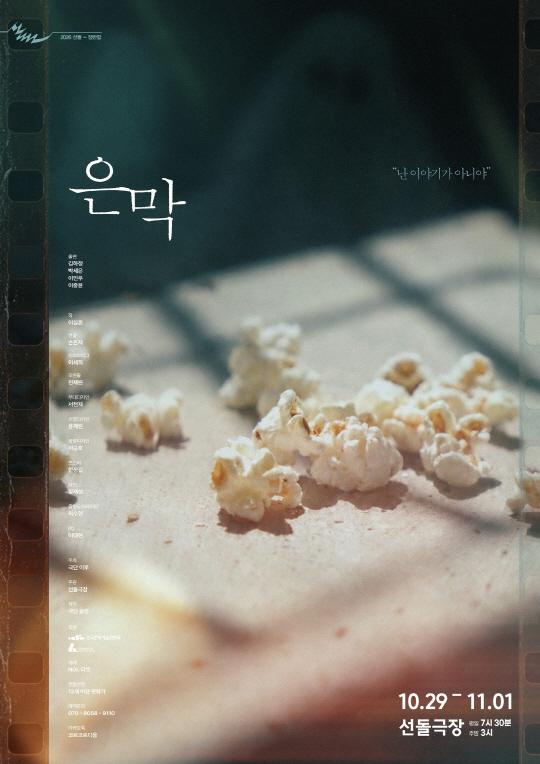
Halloween this year lands on a Saturday and spills straight into the first days of November — the old season of All Saints and the remembering of the dead. You may not keep that calendar, but the city's stages, it turns out, quietly do. Scattered across different theaters, different districts, different art forms this week, a run of Seoul productions all point, without having arranged it, in the same direction: toward the dead, the disappearing, the silenced — and what happens when they are given a voice again. The one that holds the whole mood in a single image is a play called Eunmak (은막 / "The Silver Screen") at Seondol Theater in Seongbuk-gu, running Oct 29-Nov 1. A woman carrying something she cannot say walks into a cinema-theater that is days from being torn down; following a sound through the empty hall, she meets Yonghui, a ghost who died there long ago. Two people in the same room but different decades, talking — before the building vanishes — about the things that disappeared and the words never delivered. It is a double vanishing: a ghost inside a theater that is itself about to be gone. Worth noting plainly for non-Korean speakers: this is a Korean-language play with no English support indicated, so the language barrier is real — it's here as the week's keynote image rather than an easy walk-up. |
Top Picks
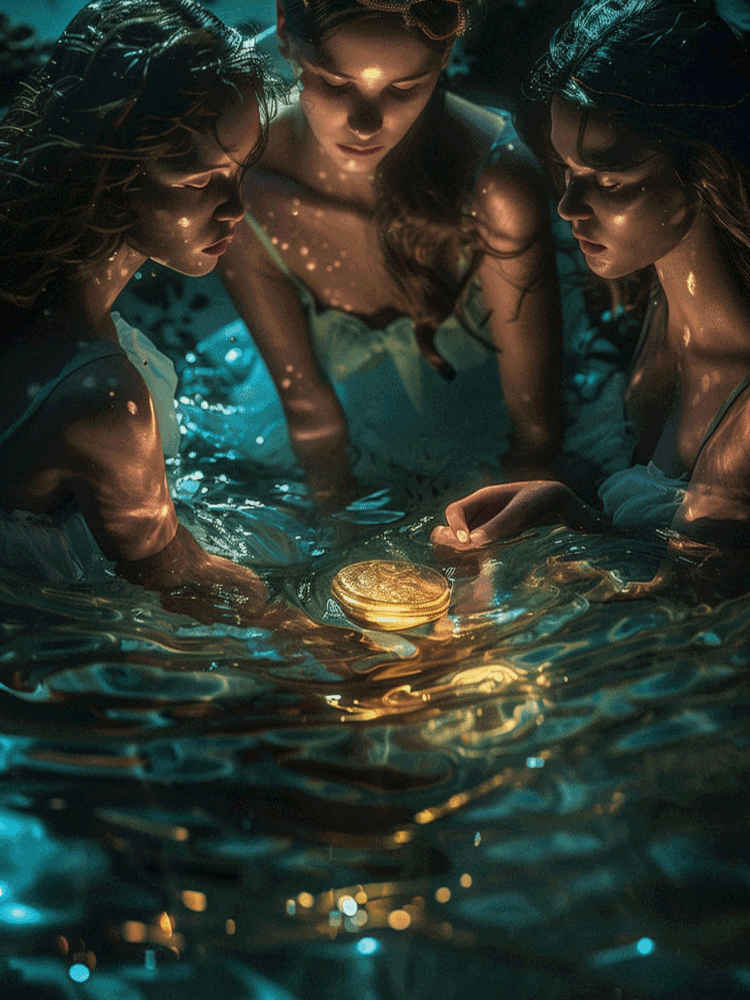 |
National Opera of Korea — Das Rheingold (국립오페라단 정기공연: 라인의 황금)Seoul Arts Center Opera Theater, Seocho-gu, Oct 29-Nov 1 (crossing into the EN window on Oct 30-Nov 1). The opening installment of Wagner's *Ring* cycle, staged here as the first move in a four-opera project the National Opera plans to carry through to 2029 — an undertaking on a scale Korean opera has not attempted before. Opera is sung, not spoken, and the big houses usually run surtitles, so the language barrier is lower than it looks; this is the one to pick if you want to say you were there for the start. Tickets run roughly 20,000-150,000 won, booked through Korean-language platforms. |
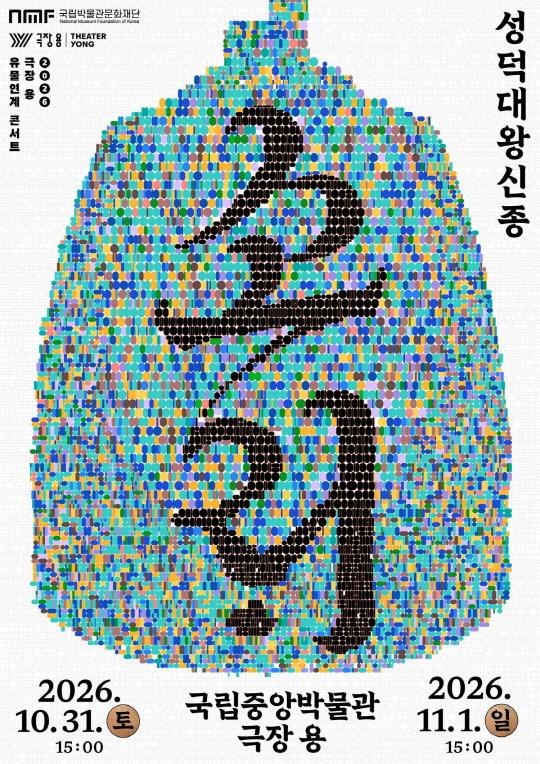 |
Sound: The Divine Bell of King Seongdeok (소리: 성덕대왕신종)Theater Yong, National Museum of Korea, Yongsan-gu, Oct 31-Nov 1. A relic-linked music piece that reopens the thousand-year resonance of the Divine Bell of King Seongdeok — the great eighth-century bronze bell — as a contemporary stage work, structured around three numbers: √2, 64Hz, and the year 771. Because the draw is sound and staging rather than dialogue, it crosses the language line with ease, and it doubles as a reason to spend the afternoon in one of the city's best free museums. Ticketed (40,000-70,000 won) through Korean-language platforms. |
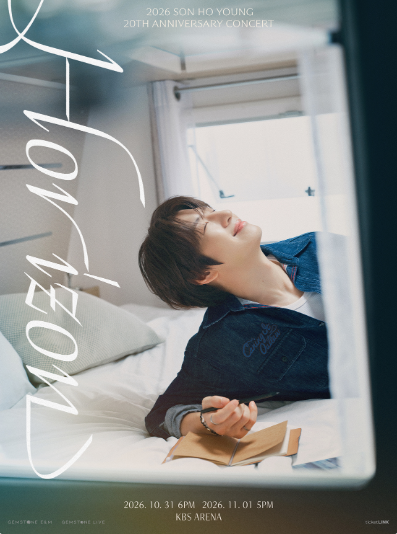 |
SON HO YOUNG 20th Anniversary: HORIZON (손호영 데뷔 20주년 콘서트)KBS Arena (KBS Sports World), Gangseo-gu, Oct 31-Nov 1. The former god member marks twenty years as a solo and group artist with a two-night anniversary concert — one of the week's headline K-pop events, and a show aimed squarely at long-haul fans of a veteran act rather than the newest idol cycle. Out in the west of the city near Gimpo Airport. Ticketed through Korean-language platforms. |
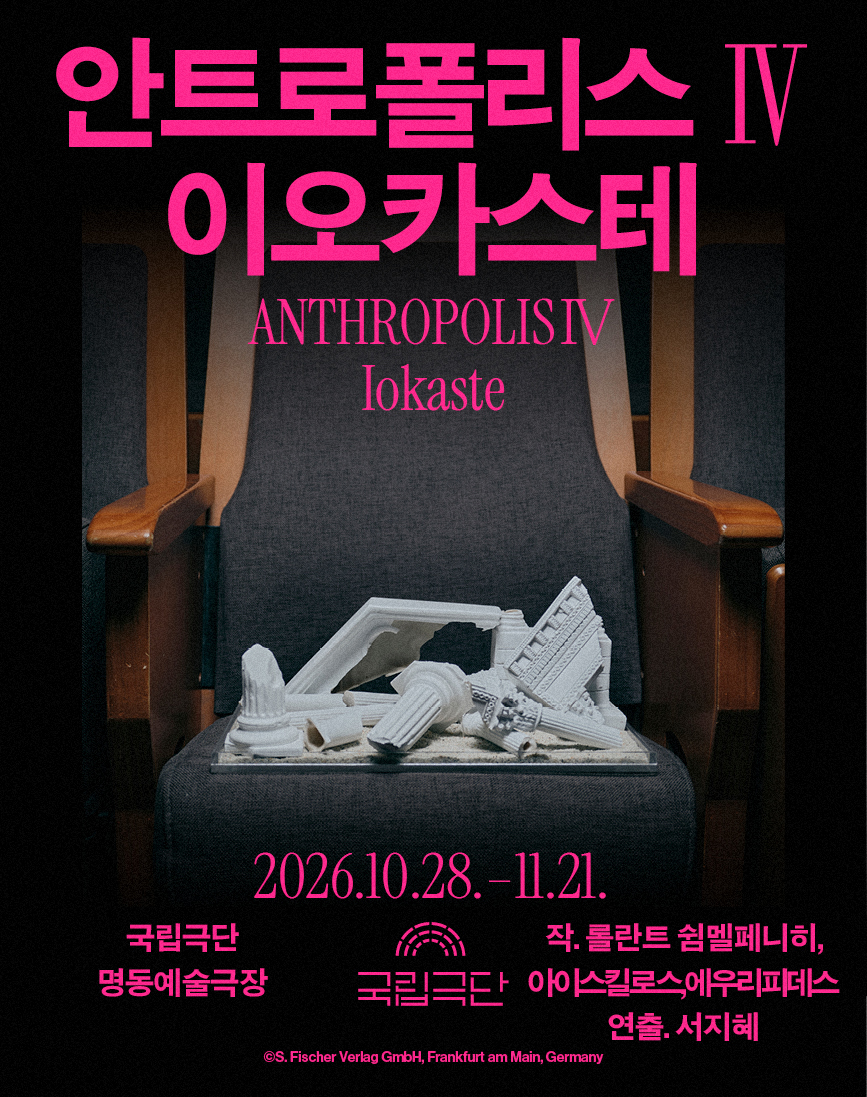 |
National Theater Company — Iokaste (국립극단 <이오카스테>)Myeongdong Theater, Jung-gu, Oct 28-Nov 21. A new play that takes the woman Greek tragedy only ever named by her relation to men — Thebes' queen, Laius' wife, Oedipus' mother and wife — and finally lets Iokaste speak in her own voice. A major National Theater Company staging in the heart of downtown, running for weeks, so there's no rush to a single date. Worth noting: it's a Korean-language production (admission age 16+), so the language barrier is real; check for surtitles before booking. Tickets 30,000-60,000 won. |
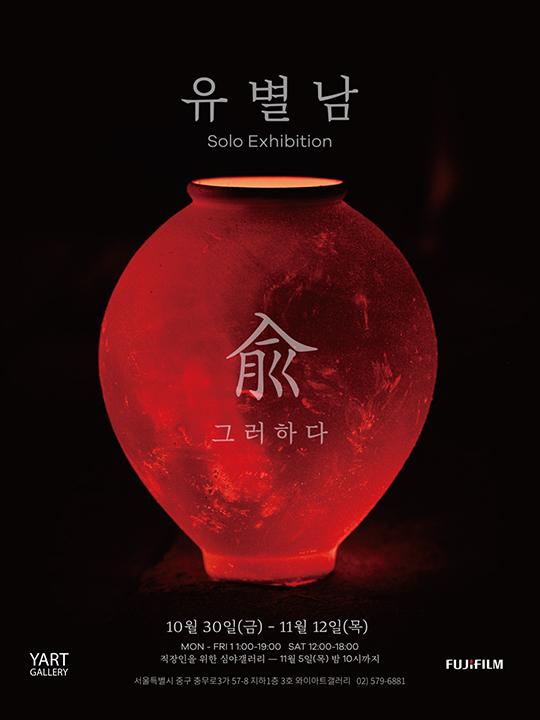 |
Yoo Byul-nam Photography Exhibition [兪 ; So It Is] (유별남 사진전 [兪 ; 그러하다])Y-Art Gallery, Jung-gu, Oct 30-Nov 12. A free solo photography show opening this week in the center of the city — a quiet, no-pressure visual outing with no ticket queue and no Korean needed to read the work. Weekday hours run 11:00-19:00; one late night (Nov 5) stays open to 22:00. The kind of drop-in you can fold into any afternoon downtown. Free entry. |
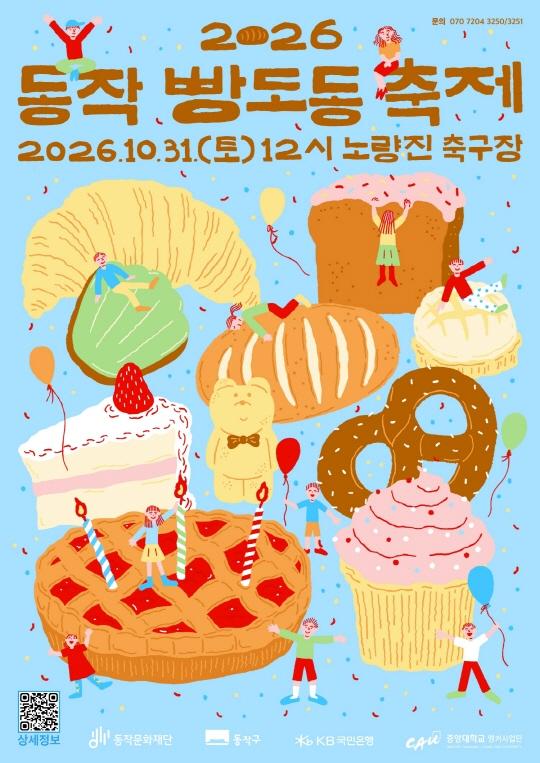 |
Dongjak Ppangdodong Festival (2026 동작 빵도동 축제)Noryangjin Football Field, Dongjak-gu, Oct 31 (noon-5:00 pm). A free neighborhood food-and-culture festival on Halloween Saturday afternoon — the kind of local, outdoor, no-ticket event that needs no Korean to enjoy and gives you a feel for the district rather than the tourist map. An easy, low-stakes add to a Saturday if you're nearby. Free entry; food is paid. |
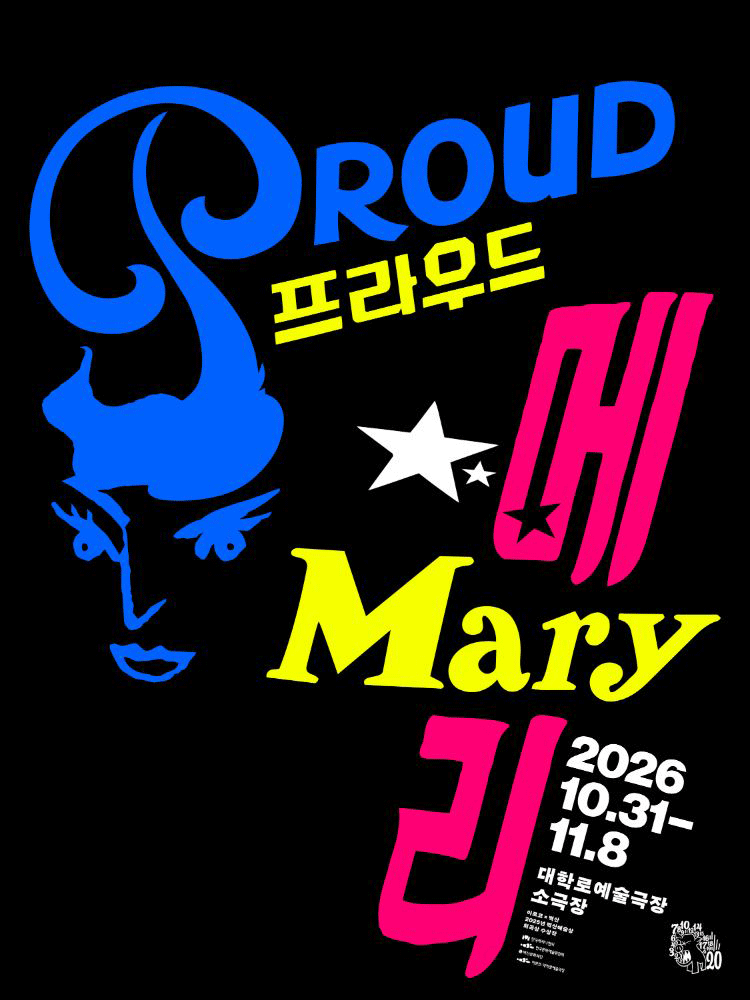 |
ARKO x Byucksan — Proud Mary (아르코 x 벽산, 프라우드 메리)Daehangno Arts Theater, Jongno-gu, Oct 31-Nov 8. A new play in the heart of Seoul's theater district, part of the ARKO x Byucksan commissioning strand. Flagged plainly: this is a Korean-language straight play with no English support noted, so the language barrier is real — it's here for residents comfortable in Korean, or anyone following the Daehangno scene. Ticketed through Korean-language platforms. |
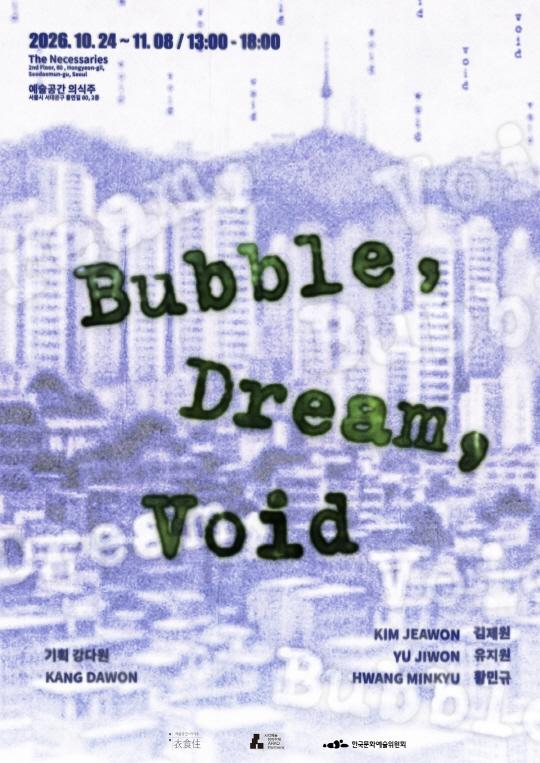 |
[Bubble, Dream, Void] (전시 [Bubble, Dream, Void])Art Space Uisikju, Seodaemun-gu, Oct 24-Nov 8. A free group show near Hongje that takes Seoul's uncontrollable pace of land redevelopment and likens that ungraspable speed to a kind of emptiness. A small independent art space — the sort of room you walk into off the street — with three artists on view. No ticket, no Korean needed; closed Mondays and Tuesdays, open 13:00-18:00. Free entry. |
In Depth
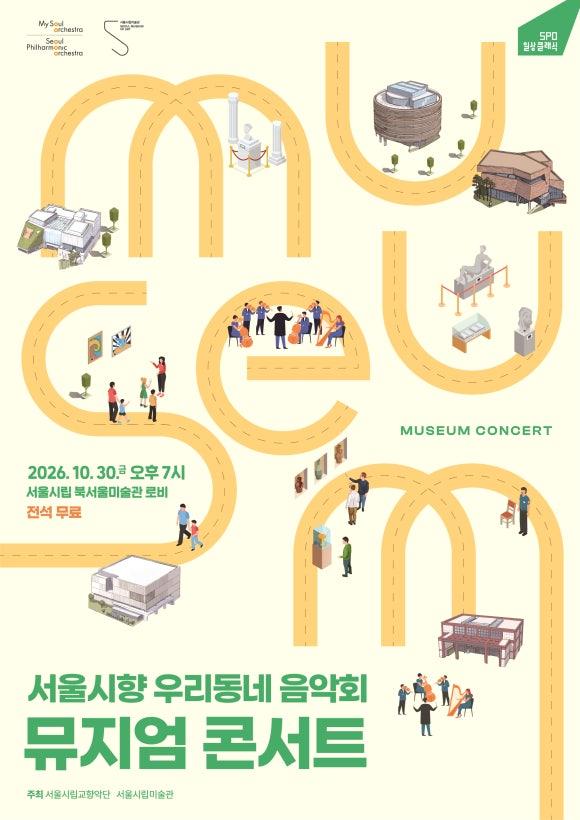 |
Classical, Gugak & Jazz Classical, Gugak & Jazz — The Weekend an Orchestra Walks Into Your Neighborhood MuseumMost of the city's serious music lives behind a ticket price and inside a handful of big halls in the south of the city. This week, it quietly comes to you instead. Across three days, the Seoul Philharmonic and a KBS gugak orchestra set up in museum lobbies around Seoul for a run of free "Museum Concerts" (서울시향 뮤지엄 콘서트 외) — short evening programs in the kind of civic buildings you can walk into without planning your life around it. |
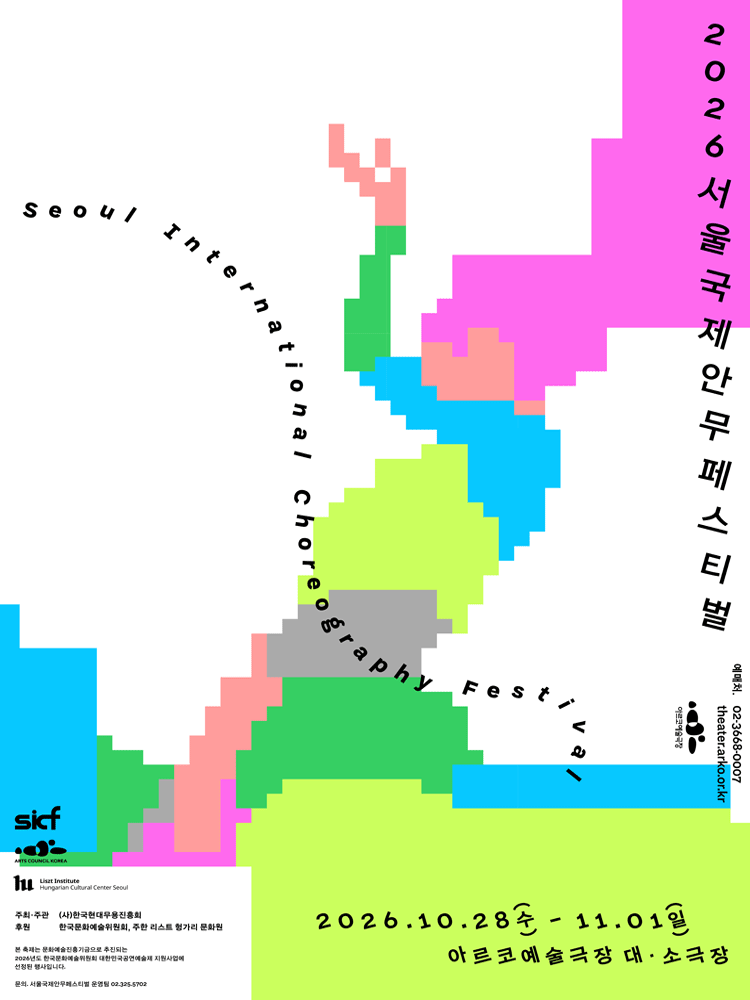 |
Performing Arts Performing Arts — Four Days of the Body as a Laboratory in DaehangnoIf you want to understand how contemporary dance actually gets made — not the finished, touring product but the thing before that — this is the week for it. The Seoul International Choreography Festival (SICF, 서울국제안무페스티벌) takes over the ARKO Arts Theater in Daehangno across the end of October, and what it stages isn't a repertory of polished pieces so much as choreography as an act being tested in public: short works, paired and stacked, program after program. |
 |
Exhibitions Exhibitions — The Same Weekend, Seoul Hangs "Seeing Differently" on the Gallery WallTwo free shows open this week that, read together, ask the same quiet question: what counts as the normal way of seeing, and who decides? The anchor is Dalí · Differently · Dalí (달리·Differently·Dalí), a disability-arts exhibition opening Oct 30 at the Hangaram Art Museum inside the Seoul Arts Center in Seocho-gu, running through Nov 15. It takes Salvador Dalí — the most famously "different" eye in modern art — and reframes him through the lens of disability art, turning a blockbuster name into an argument about perception itself. |
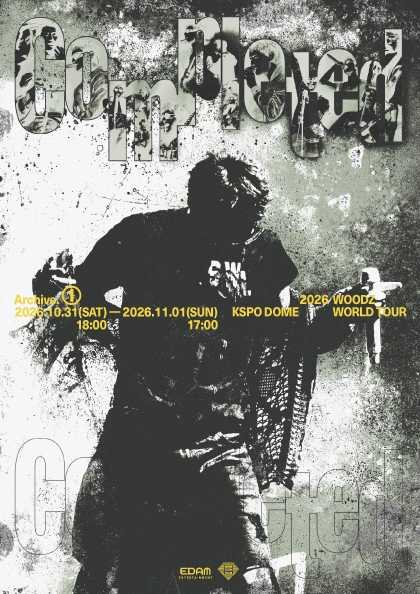 |
K-POP, Pop & Jazz K-POP, Pop & Jazz — The Weekend Olympic Park Becomes a Tour's Last NoteHalloween weekend turns the southeast of the city into the finish line for a couple of K-pop tours at once. The headline is WOODZ WORLD TOUR Archive. 1: Completed (WOODZ 월드투어) at the KSPO Dome inside Olympic Park, Songpa-gu, on Oct 31-Nov 1 — the soloist Cho Seung-youn closing out a world tour on home ground, in the big dome arena that anchors the park. |
 |
Festivals & Pop-ups Festivals & Pop-ups — The Free, Walkable Night: a Map of the City with No TicketForget the costumes for a second. The real shape of the last Saturday in October in Seoul is this: the city switches on its lights and lets you walk through them for nothing. Several free, outdoor, after-dark events land on the same couple of nights, and taken together they make a ticket-free map of the city at night. |
 |
Sports Sports — The Volleyball Lights Come Back On at JangchungWith the open-air season winding down, the winter indoor sport takes over, and this is the night it tips off in the center of the city. The GS Caltex Seoul KIXX (GS칼텍스 서울 KIXX) open their home season in the women's V-League at Jangchung Arena in Jung-gu on Oct 31, 5:00 pm — the city's own club launching its campaign at the historic downtown gymnasium, in a rematch against last season's runners-up, Korea Expressway. |
Culture & Heritage Experiences
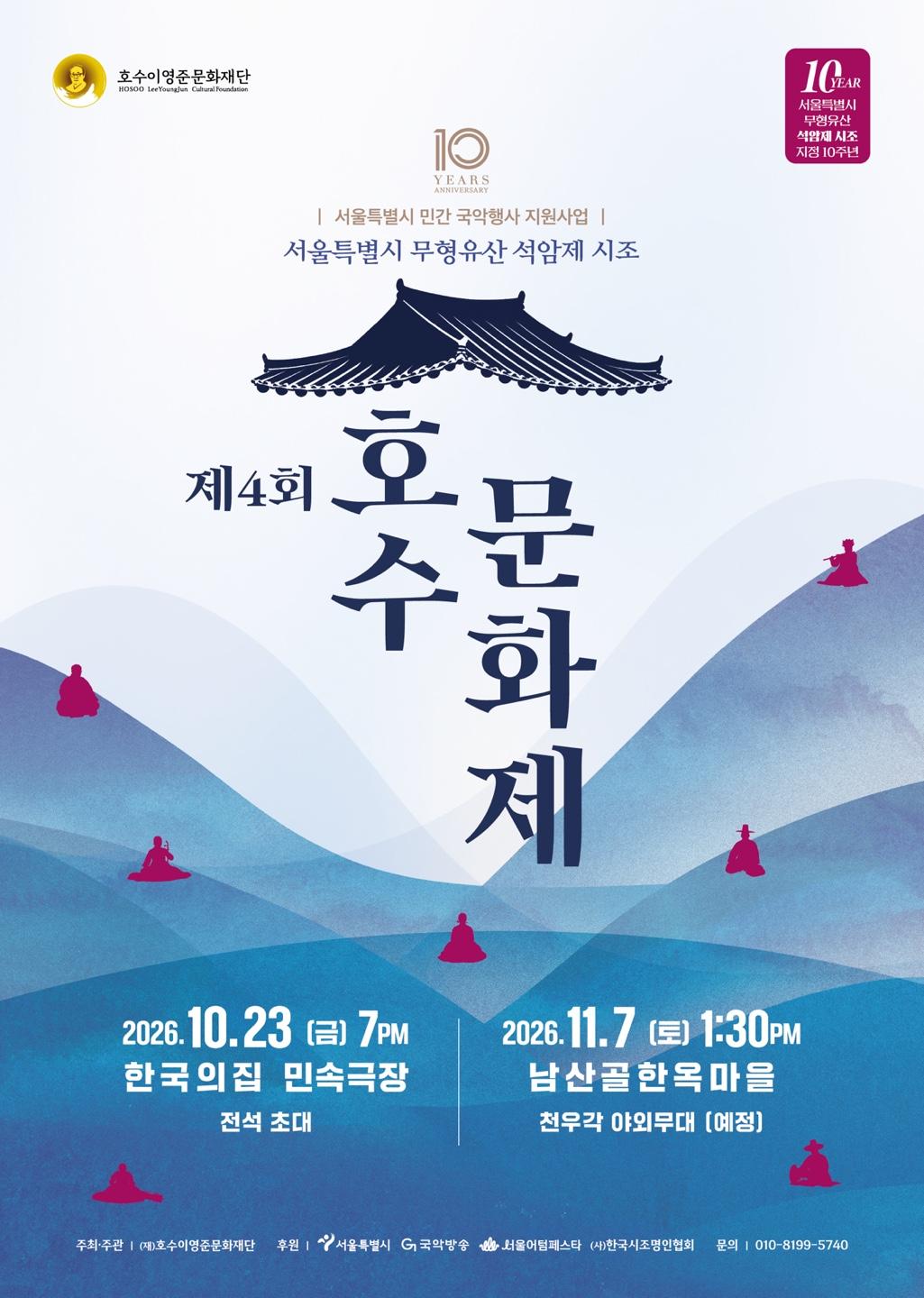 |
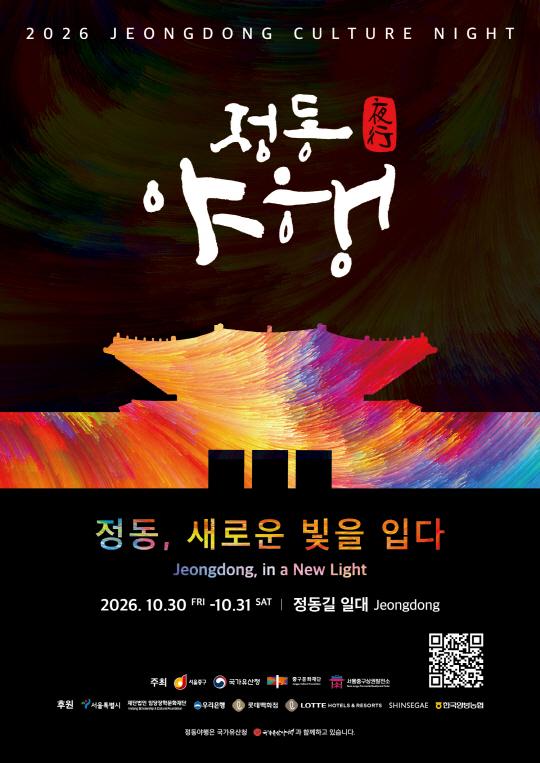
Hosu Culture Festival — 10th Anniversary of Seokam-je Sijo (제4회 호수문화제)A free traditional-music festival marking the tenth anniversary of Seokam-je sijo's designation as a Seoul Intangible Cultural Heritage, staged in two of the city's most atmospheric heritage spaces: the Folk Theater at Korea House and the Cheonugak pavilion at Namsangol Hanok Village in Jung-gu, running through Nov 7 (the closing performance is at 1:30 pm). Sijo is Korea's old sung-poetry form, and hearing it performed in a restored hanok setting at the foot of Namsan is the kind of wordless, atmospheric experience that rewards simply being in the room — no ticket, no Korean needed. It pairs naturally with Jeongdong Culture Night (2026 정동야행) the same weekend, when Deoksugung Palace and the historic Jeongdong quarter open up for free evening wandering (Oct 30-31) — two ways into the old, lit-up city on the same stretch of days. Info |
Upcoming: The Full Listings (2026-10-30 ~ 2026-11-05)
Every event in Seoul during this window (2026-10-30 ~ 2026-11-05), sorted by category.
Exhibitions 148 events More (148 total)
| 2026-10-01 ~ 2026-10-30 |
Hansol B — *Bread Loaf Pose*FREE · 갤러리메일란 (종로구) |
| 2026-04-28 ~ 2026-10-31 |
Possibilities of Play: SeeingFREE · 서울상상나라 1층 로비, 서울 광진구 |
| 2026-04-28 ~ 2026-10-31 |
Seoul Sangsang Nara: The Possibility of Play — SeeingPaid · 서울상상나라 1층 로비 |
| 2026-04-28 ~ 2026-10-31 |
Railways Across TimeFREE · 국토발전전시관 (중구) |
| 2026-04-28 ~ 2026-10-31 |
Net-Zero 1.5°C WarningFREE · 국토발전전시관 (중구) |
| 2026-05-07 ~ 2026-10-31 |
3rd Relay Solo Exhibition [Crossroads]FREE · 송파 청년아티스트센터 지하1층 아트 스페이스, 서울 송파구 |
| 2026-05-07 ~ 2026-10-31 |
Songpa Youth Artist Center 3rd Relay Solo Exhibition: CrossroadsNo price info · 송파 청년아티스트센터 지하1층 아트 스페이스 |
| 2026-07-01 ~ 2026-10-31 |
Seoul Museum of History: XR Exhibition "History Unfolds as You WalkFREE · 서울역사박물관 3F 전시실, 서울 종로구 |
| 2026-09-01 ~ 2026-10-31 |
2026 Atelier Nodeul Second Exhibition: *A Dream Dreamed by Light*FREE · 노들섬 (용산구) |
| 2026-10-01 ~ 2026-10-31 |
Award-Winning Alumni Exhibition: The First SceneFREE · 서울아트센터 도암 3층 도암갤러리 (종로구) |
Classical 128 events More (128 total)
| 2026-10-19 ~ 2026-10-30 |
2026 Textbook Art JourneyFREE · 노원문화예술회관 대공연장 (노원구) |
| 2026-10-21 ~ 2026-10-30 |
The 54th Pan Music FestivalPaid · JCC 아트센터 콘서트홀 (종로구) |
| 2026-10-23 ~ 2026-10-30 |
2026 TokTok Classic Series: Fall in LovePaid · 소월아트홀 (성동구) |
| 2026-10-30 ~ 2026-10-30 |
54th Pan Music Festival, Concert 6: C-Channel String OrchestraPaid · 예술의전당 [서울] 리사이틀홀 (서초구) |
| 2026-10-30 ~ 2026-10-30 |
Seoul Chamber Ensemble Concert Series: Revolution in MusicPaid · 광림아트센터 장천홀 (강남구) |
| 2026-10-30 ~ 2026-10-30 |
Arete Quartet: Complete Bartók String Quartets 2Paid · 예술의전당 [서울] (서초구) |
| 2026-10-30 ~ 2026-10-30 |
Han Sujin × English Chamber OrchestraPaid · 롯데콘서트홀 (송파구) |
| 2026-10-30 ~ 2026-10-30 |
Im Ho-yeol & Kim Su-yeong Piano Duo RecitalPaid · 일신홀 (용산구) |
| 2026-10-30 ~ 2026-10-30 |
2026 Seoul Philharmonic Museum Concert: Buk-Seoul Museum of ArtFREE · 서울시립 북서울미술관 (노원구) |
| 2026-10-30 ~ 2026-10-30 |
Iruisa Piano & Harpsichord Recital: Bach Complete Keyboard Music Series ⅢPaid · 예술의전당 [서울] 인춘아트홀 (서초구) |
Theater 195 events More (195 total)
| 2026-07-24 ~ 2026-10-31 |
When, Byeon Hong-rye [Seoul Seongbuk]Paid · 하땅세극장 |
| 2026-10-03 ~ 2026-10-31 |
Love for Everyone [Daehangno]No price info · 든해소극장 (구. 모모씨어터) |
| 2026-10-03 ~ 2026-10-31 |
Everyone's RomancePaid · 모모씨어터 B1 (종로구) |
| 2026-10-09 ~ 2026-10-31 |
Mangwon-dong Brothers [Daehangno]No price info · 루미나아트홀 (구.시온아트홀) |
| 2026-10-12 ~ 2026-10-31 |
Eodiseo Theater: Mrs Warren's ProfessionNo price info · 서점 바람길 |
| 2026-10-12 ~ 2026-10-31 |
Mrs. Warren's ProfessionPaid · 서점 바람길 2F (중랑구) |
| 2026-10-18 ~ 2026-10-31 |
Unofficial ClassNo price info · NOL 씨어터 합정(구, 신한카드 SOL페이 스퀘어) |
| 2026-10-18 ~ 2026-10-31 |
All ClearNo price info · NOL 씨어터 합정(구, 신한카드 SOL페이 스퀘어) |
| 2026-10-22 ~ 2026-10-31 |
Still a Billion Years Until the End of the WorldPaid · 연우소극장 |
| 2026-10-30 ~ 2026-10-31 |
2026 Re:Bound Festival, The Story of SeonnyeoPaid · 예술의전당 [서울] 자유소극장 (서초구) |
Dance 12 events More (12 total)
| 2026-10-30 ~ 2026-10-30 |
SICF Seoul International Choreography Festival, PULSE & Silence & PrayerNo price info · 아르코예술극장 |
| 2026-10-31 ~ 2026-10-31 |
DOKKAEBIPaid · 국립극장 하늘극장 (중구) |
| 2026-10-31 ~ 2026-10-31 |
17th Korean Future Dance Choreographers Showcase: HangangNo price info · 꿈의숲아트센터 |
| 2026-10-31 ~ 2026-10-31 |
SICF Seoul International Choreography Festival: 37N & Plantoid & Nothing, everything & Pattern of PatternsNo price info · 아르코예술극장 |
| 2026-11-01 ~ 2026-11-01 |
MONDRIANPaid · 나루아트센터 대공연장 (광진구) |
| 2026-11-01 ~ 2026-11-01 |
Universal Ballet Junior Company 15th Annual Performance: 2026 RISING STARSPaid · 유니버설아트센터 (광진구) |
| 2026-11-01 ~ 2026-11-01 |
Universal Ballet Junior Company 15th Annual Performance: RISING STARSNo price info · 유니버설아트센터 |
| 2026-11-01 ~ 2026-11-01 |
SICF Seoul International Choreography Festival, NO IM NOT / TEMPONo price info · 아르코예술극장 |
| 2026-11-05 ~ 2026-11-05 |
People of Bongcheon (The Golden Age of Mandu)Paid · 까망돌어울마당 아트홀 (동작구) |
| 2026-11-04 ~ 2026-11-06 |
Creative Dance <Pause-17, Again-19>Paid · 국립정동극장 세실 (중구) |
Performing Arts 24 events More (24 total)
| 2020-06-27 ~ 2026-10-31 |
CHOI SHIN-HYUK: IMAGINENo price info · 문엔트리 |
| 2024-11-01 ~ 2026-10-31 |
One Table MagicNo price info · 스튜디오 아르카나 |
| 2026-10-31 ~ 2026-10-31 |
Piano × Movement II: Without WordsPaid · 서소문성지 역사박물관 (중구) |
| 2026-10-31 ~ 2026-10-31 |
Omnibus Non-Verbal Puppet Show: Phantom SpacePaid · 광진어린이공연장 (광진구) |
| 2026-10-02 ~ 2026-11-01 |
2026 Jongno Family Performance FestivalPaid · 종로 아이들극장 (종로구) |
| 2026-10-31 ~ 2026-11-01 |
THE: Magic Circus [Seoul Seongbuk]No price info · 성북미디어문화마루 꿈빛극장 |
| 2026-10-31 ~ 2026-11-08 |
Integrated Arts Education Program: Byeolnan Theater PlaygroundPaid · 꿈의숲아트센터 (강북구) |
| 2026-11-03 ~ 2026-11-08 |
3rd Physical Performance Festival: Boundary BreakersPaid · 연희예술극장 (서대문구) |
| 2026-04-05 ~ 2026-11-23 |
1st Eungok Village Music Festival: ENCOUNTERPaid · 야기스튜디오 |
| 2019-01-27 ~ 2026-11-29 |
The Cooking MagicianNo price info · 맛있는 극장 |
Gugak & Heritage 38 events More (38 total)
| 2026-10-29 ~ 2026-10-30 |
Changjakakdan Regular Concert: Rediscovery of Tradition VIIPaid · 국립국악원 예악당 (서초구) |
| 2026-10-29 ~ 2026-10-30 |
National Gugak Center Creative Orchestra: Rediscovery of Tradition VIINo price info · 국립국악원 |
| 2026-10-30 ~ 2026-10-30 |
Hanseong Baekje Museum Moonlight Concert with the KBS Korean Traditional Music OrchestraFREE · 한성백제박물관 로비 (송파구) |
| 2026-04-04 ~ 2026-10-31 |
Yeonhui PanpanPaid · 국립국악원 |
| 2026-04-04 ~ 2026-10-31 |
Yeonhee Standing Performance: Yeonhui PanpanPaid · 국립국악원 연희마당 (서초구) |
| 2026-04-11 ~ 2026-10-31 |
2026 Uijeongbu Historic Site Plaza Traditional Martial Arts EventFREE · 의정부지 역사유적광장, 서울 종로구 |
| 2026-09-05 ~ 2026-10-31 |
Saturday MasterpiecePaid · 국립국악원 우면당 |
| 2026-09-05 ~ 2026-10-31 |
Saturday Gugak Fairy TalesPaid · 국립국악원 풍류사랑방 |
| 2026-10-30 ~ 2026-10-31 |
Masquerade: Daebang NoriPaid · 강북문화예술회관 (강북구) |
| 2026-10-30 ~ 2026-10-31 |
Gwangdaesaenggak New Creative Nori-Theatre: *Kogong*Paid · 서울돈화문국악당 (종로구) |
Musical & Opera 89 events More (89 total)
| 2026-10-30 ~ 2026-10-30 |
The Magic Flute: A Family Opera with Puppet Theater [Seoul Gangseo]No price info · 강서아트리움 |
| 2021-05-01 ~ 2026-10-31 |
Prison [H Theatre]No price info · 에이치씨어터 |
| 2025-01-01 ~ 2026-10-31 |
Sunny10 [Daehangno]No price info · JTN 아트홀(구. 대학로예술마당) |
| 2026-04-10 ~ 2026-10-31 |
Resistance: People Who Became HymnsPaid · 광야아트센터 (강남구) |
| 2026-04-17 ~ 2026-10-31 |
Letters from ScrewtapePaid · 명륜아트홀 |
| 2026-09-01 ~ 2026-10-31 |
Forest Cleaner DarongPaid · 송파어린이문화회관 |
| 2026-10-09 ~ 2026-10-31 |
DRAG in HyehwaNo price info · 뮤지컬펍 커튼콜 |
| 2026-10-30 ~ 2026-10-31 |
Seoripul Opera Panorama: Belcanto Collage "Donizetti & RossiniPaid · 반포심산아트홀 (서초구) |
| 2026-10-30 ~ 2026-10-31 |
Do You Love MePaid · 스케네웨이 [홍대] 공연장 (마포구) |
| 2026-10-30 ~ 2026-10-31 |
Seoripul Opera Panorama [Belcanto Collage] — Rossini & DonizettiPaid · 반포심산아트홀 (서초구) |
K-POP, Pop & Jazz 77 events More (77 total)
| 2026-10-04 ~ 2026-10-30 |
ANTARES: OCTOBERNo price info · K-POP STAGE (구. 윤형빈소극장 [홍대]) |
| 2026-10-30 ~ 2026-10-30 |
Harmony of Two WorldsFREE · 꿈의숲아트센터 콘서트홀 (강북구) |
| 2026-10-30 ~ 2026-10-30 |
Forest Access Live, Park Junil Solo Concert: Lily of the ValleyNo price info · 숲세권 라이브 카인드스퀘어점 |
| 2026-10-30 ~ 2026-10-30 |
83rd JAZZ Live Club DayNo price info · 라이브클럽 협동조합 |
| 2026-10-30 ~ 2026-10-30 |
Gamgyul Seoridан X WEDNESDAY OFF: Sunset OrangeNo price info · 롤링홀 |
| 2026-10-30 ~ 2026-10-30 |
Dokkaebi Festival: Imaemangyang (魑魅魍魎)No price info · 우무지 |
| 2026-10-30 ~ 2026-10-30 |
No Mercy Fest: All Night FestivalNo price info · 클럽 프리버드 |
| 2026-10-30 ~ 2026-10-30 |
MOMENT FESTA: ONEWE X B1A4No price info · 스카이아트홀 |
| 2026-10-30 ~ 2026-10-30 |
YONU THE RETURNNo price info · H-스테이지 |
| 2026-10-30 ~ 2026-10-30 |
Kanho Yakushiji First Korea Concert: 10th Anniversary World Tour — Circle of HarmonyNo price info · 예스24 원더로크홀 |
Family & Kids 2 events
| 2026-10-28 ~ 2026-11-21 |
National Theater Company [Anthropolis IV] <Jocasta>Paid · 국립극단 [명동] 명동예술극장 (중구) |
| 2026-10-28 ~ 2026-11-21 |
Anthropolis IV, IocasteNo price info · 국립극단 [명동] |
Festivals & Pop-ups 59 events More (59 total)
| 2026-09-01 ~ 2026-10-30 |
2026 Active Seoul PlazaFREE · 서울광장, 서울 중구 |
| 2026-10-29 ~ 2026-10-30 |
2026 Namdaemun Accessories EncounterFREE · 남대문시장 아케이드 (중구) |
| 2026-08-04 ~ 2026-10-31 |
Open Nodeul at Nodeul IslandFREE · 노들섬 |
| 2026-09-01 ~ 2026-10-31 |
Kakao Pay Orae Orae Hamkke Gage Pop-UpNo price info · 성수 (성동구) |
| 2026-10-01 ~ 2026-10-31 |
Teumgyul Flagship with Esther Bunny Pop-UpNo price info · 서울숲 (성동구) |
| 2026-10-01 ~ 2026-10-31 |
DDP Busking October Performance ScheduleFREE · DDP 어울림광장, 팔거리 |
| 2026-10-30 ~ 2026-10-31 |
Riding the Land, Riding AutumnNo price info · 국토발전전시관 1층 (중구) |
| 2026-10-30 ~ 2026-10-31 |
2026 Jeongdong Night WalkFREE · 덕수궁 주변 정동 일대 (중구) |
| 2026-10-30 ~ 2026-10-31 |
2026 Baeknyeon Night October: WICKEDFREE · 백년시장 일대 (강북구) |
| 2026-10-30 ~ 2026-10-31 |
Jeongdong Night Walk (Jeongdong Glows in New Light)No price info · 덕수궁·정동 일대, 중구 |
Sports 2 events
| 2026-10-31 ~ 2026-10-31 |
V-League Women's Division GS Caltex Seoul KIXX Opening Home GamePaid · 장충체육관, 중구 |
| 2026-11-01 ~ 2026-11-01 |
KBL Seoul Samsung Thunders Home Game (S-Derby vs Seoul SK)Paid · 잠실학생체육관, 송파구 |
Community & Talks 7 events
| 2026-10-30 ~ 2026-10-30 |
2026 Digital Publishing Seminar (2nd) — Publisher Digital Transformation and New Business OpportunitiesNo price info · 창비서교빌딩 B2 50주년 기념홀 (마포구) |
| 2026-10-01 ~ 2026-10-31 |
Seogang Library Podcast Episode 72: Our SeheeFREE · 온라인 팟빵 (마포구립서강도서관) |
| 2026-11-04 ~ 2026-11-04 |
2026 Social Value Business Model Competition Value-Up DayNo price info · 페럼타워 3층 페럼홀 (중구) |
| 2026-11-05 ~ 2026-11-05 |
Korea-China-Japan Fusion Arts Exchange Forum: Collective Karma, Who is We?No price info · 정동1928 아트센터 (중구) |
| 2025-12-22 ~ 2026-11-30 |
Seoul Youth Culture Pass 2026 – Applications OpenFREE · 온라인 접수 |
| 2026-01-22 ~ 2026-12-24 |
Mapo District Seogang Library Reading Discussion Club [2026: Thu, Chat]FREE · 마포구립서강도서관 3층 Book C (마포구) |
| 2025-12-22 ~ 2026-12-31 |
Seoul Youth Culture Pass 2026 Applications OpenFREE · 온라인 접수 (중구) |
Seoul Weekly.
A weekly, judged brief on Seoul's exhibitions, performances, festivals and city events.
Pick one: KakaoTalk or email
By subscribing you agree to our privacy policy · Unsubscribe anytime
2026-W44 · Published weekly: Tue (KO) · Thu (EN)
Publisher & Editor: Jong Suk Won · Contact: weekly@swarm56.com · Subscribe · Privacy Policy · © 2026 Seoul Weekly
SW56 Inc. · CEO Jong Suk Won · Business Registration No. 220-88-65416 · 6, Teheran-ro 79-gil, Gangnam-gu, Seoul