| Seoul ● City Culture, Weekly | KO · EN |
| Seoul Weekly. |
2026 — W42
Oct 16 (Fri) – Oct 22 (Thu) Previous issue |
|
Cover Story · 2026 W42 A Week With No Room Left — When a City's Stages All Peak at Once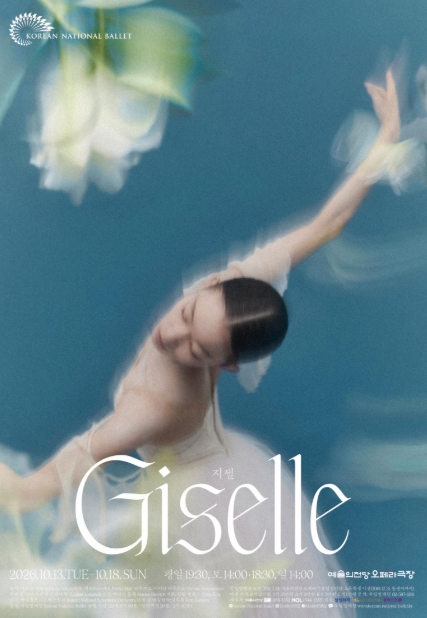
Some weeks you have to hunt for something worth leaving the house for. This is the opposite problem. Across a handful of days in mid-October, and inside just a few blocks of southern Seoul, nearly every kind of serious stage art the city does hits its peak at the same time — a full-length ballet, a world-class orchestra, a star pianist's solo recital, a Korean traditional orchestra, and classical dance, all cresting within walking distance of one another. The difficulty isn't finding a night out. It's choosing. The gravitational center is the National Ballet of Korea — Giselle (국립발레단 <지젤>) at the Seoul Arts Center Opera Theater in Seocho-gu, running through Oct 18. A full-length Romantic ballet is the kind of thing that fills a major house and sets the tone for the week around it — and ballet, of course, carries no language barrier at all, which makes it one of the easiest first bookings for anyone who's been putting off the classical side of the city. |
Top Picks
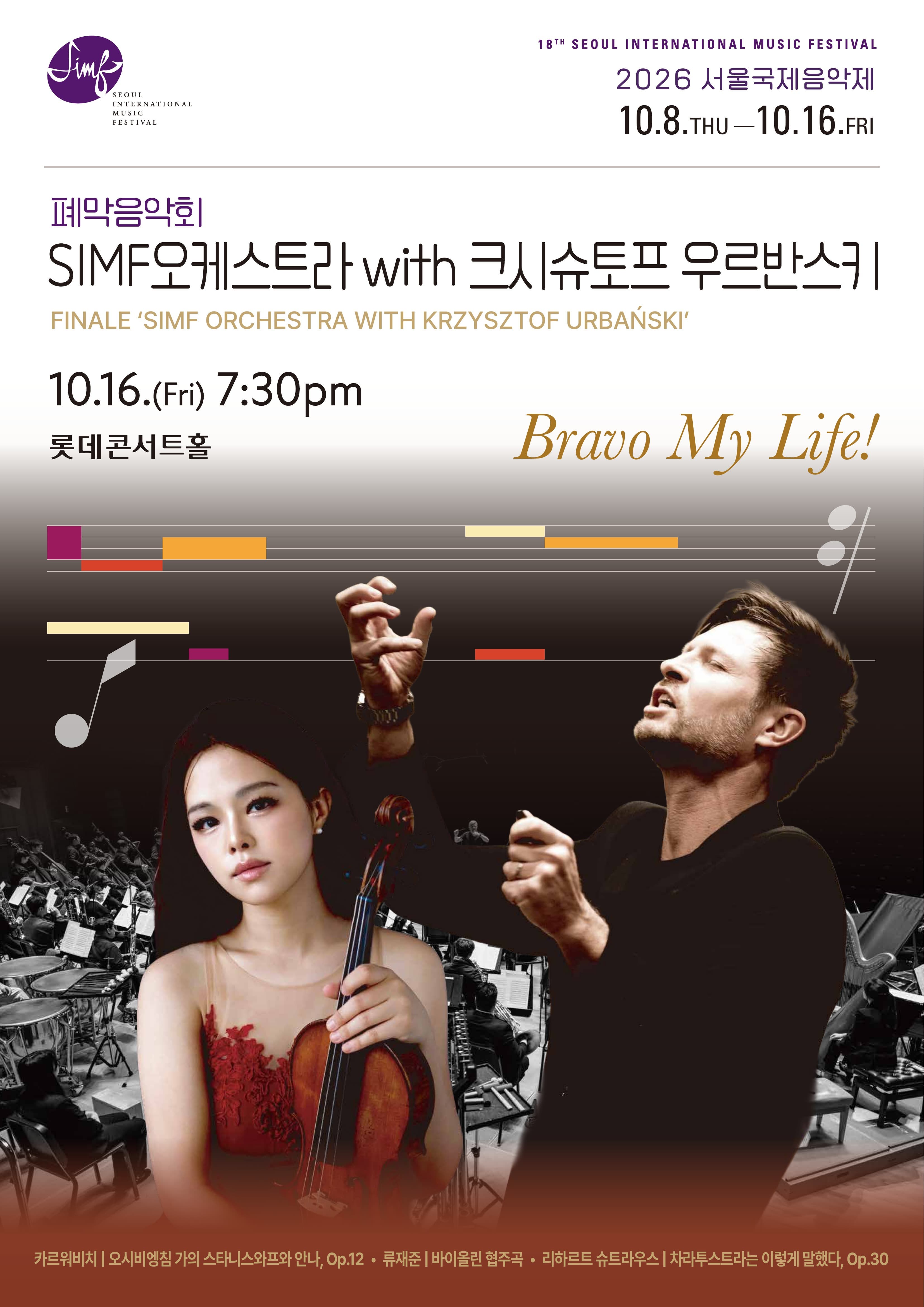 |
SIMF Closing Concert — SIMF Orchestra with Krzysztof Urbański (제18회 서울국제음악제 폐막음악회)Lotte Concert Hall, Songpa-gu, Oct 16. The Seoul International Music Festival's final night, with the festival's own orchestra under the Polish conductor Krzysztof Urbański. If you want to catch the international music week at a single sitting, this is the one to pick — the last and largest note of the run, in one of the city's best-sounding halls. Ticketed through Korean-language platforms. |
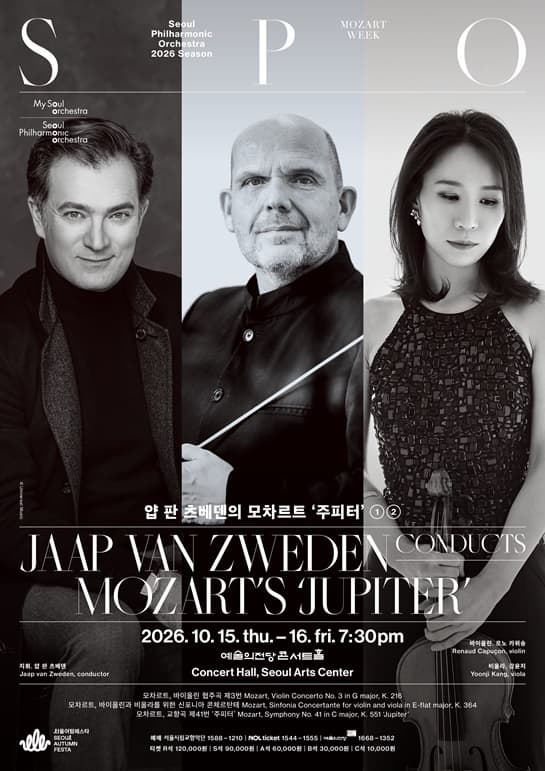 |
Seoul Philharmonic — Mozart "Jupiter" (서울시향 얍 판 츠베덴의 모차르트 '주피터')Seoul Arts Center Concert Hall, Seocho-gu, Oct 15-16. An all-Mozart program under music director Jaap van Zweden, crossing into the EN window on Oct 16. A clean, no-language-barrier night of orchestral repertoire at the city's flagship concert hall — and a chance to hear the Seoul Phil under its current chief. Ticketed through Korean-language platforms. |
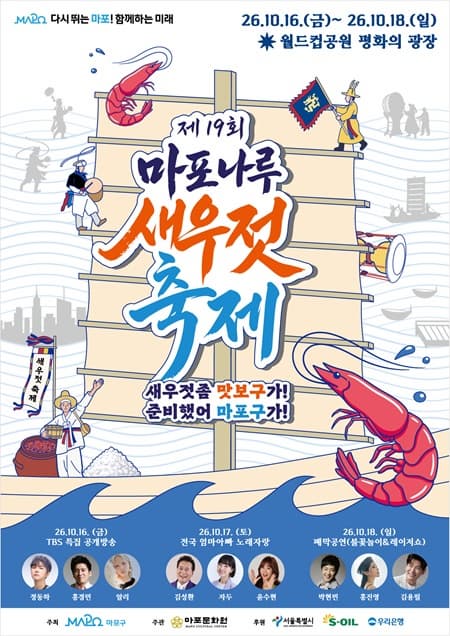 |
19th Mapo-naru Salted Shrimp Festival (제19회 마포나루 새우젓축제)Peace Plaza, World Cup Park, Mapo-gu, Oct 16-18. A free, outdoor neighborhood food festival on the old Mapo wharf theme — salted shrimp (saeu-jeot) being the regional specialty that once came up the Han River here. Entry is free, food is paid, and it needs no Korean to enjoy. Pair it with a walk around World Cup Park on a crisp autumn afternoon. |
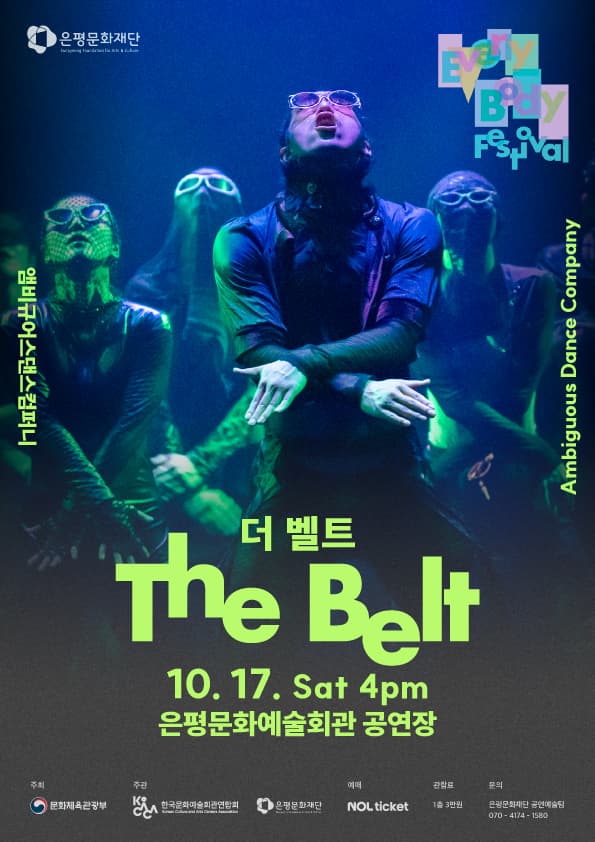 |
Ambiguous Dance Company — *The Belt* (은평에브리바디페스티벌 앰비규어스댄스컴퍼니-더 벨트)Eunpyeong Culture & Arts Hall, Eunpyeong-gu, Oct 17. One of Korea's most talked-about contemporary dance companies — known internationally for its wildly physical, genre-bending work — plays a single night as part of the Eunpyeong Everybody Festival. Dance carries no language barrier, and this is a rare chance to see the company in a neighborhood house rather than a sold-out main stage. Ticketed through Korean-language platforms. |
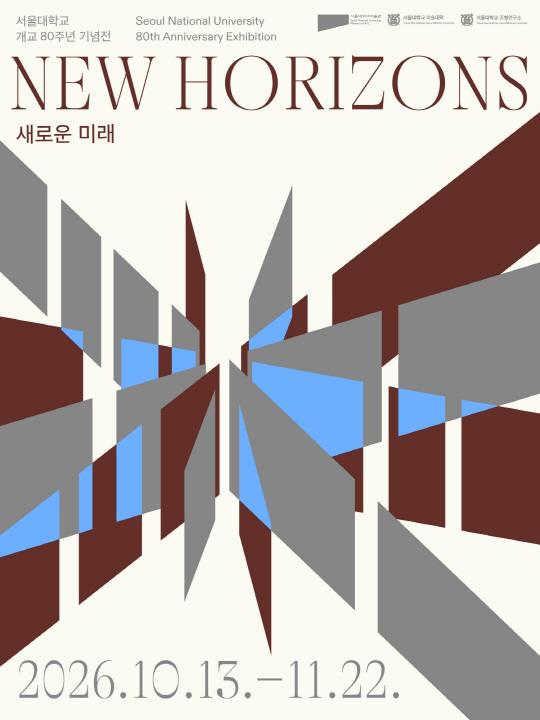 |
SNU 80th Anniversary Exhibition — *A New Future* (서울대학교 개교 80주년 기념전 [새로운 미래])Seoul National University Museum of Art, Gwanak-gu, through Nov 22. A free anniversary exhibition at the university's art museum out in the south of the city, built around a group of contemporary Korean artists. Unlike the week's time-boxed concerts, this stays open for weeks — a visual show you can bank for a quieter afternoon. Free entry; note the museum closes Mondays. (The official site has been intermittently unreachable, so you may want to confirm hours by phone before a long trip out.) |
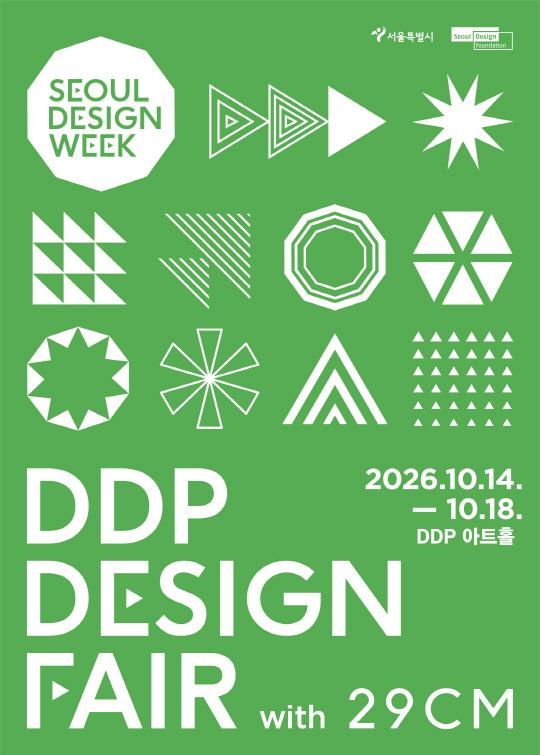 |
2026 DDP Design Fair (2026 DDP디자인페어)DDP Art Halls, Jung-gu, Oct 14-18. A design fair at Dongdaemun Design Plaza, Zaha Hadid's great silver building in the center of the city — part of the broader autumn design season. Image- and object-led, so there's little language barrier for browsing. Ticketed (prices vary by ticket type; check the DDP site), and it closes on Oct 18, so this one's an early-in-the-week plan. |
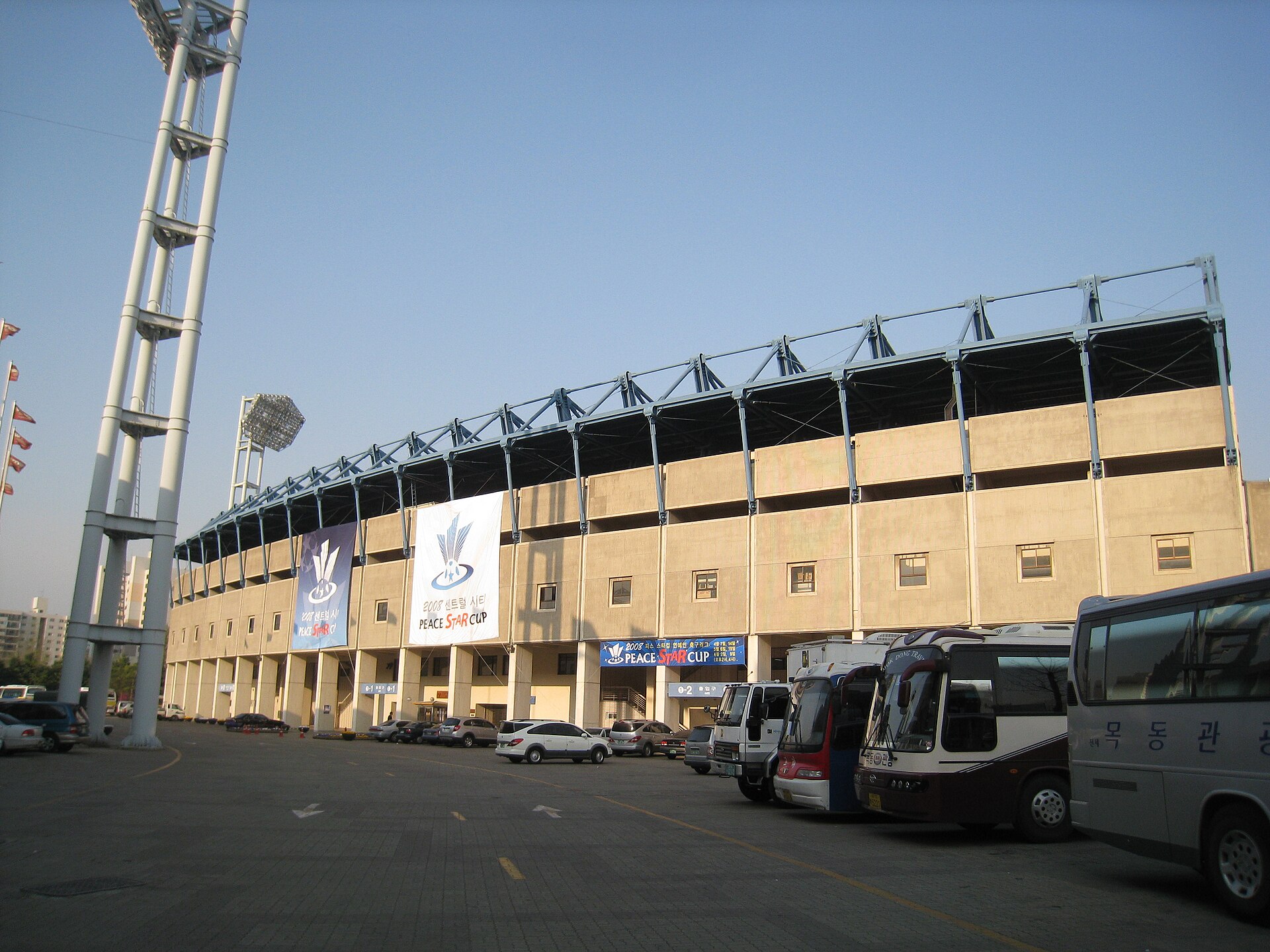 |
Seoul E-Land FC vs Gimhae — K League 2 (서울 이랜드 FC vs 김해)Mokdong Reul Park, Yangcheon-gu, Oct 18, 2:00 pm. A second-division football afternoon out west in Mokdong — cheaper, more relaxed and easier to walk up to than the top-flight K League 1, and a good, low-stakes way into Korean matchday culture. A Saturday-afternoon kickoff makes it an easy outing. Ticketed through the club. |
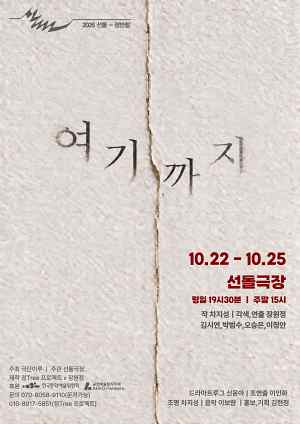 |
*Here So Far* (연극 여기까지)Seondol Theater, Daehangno, Jongno-gu, Oct 22-25. A new play opening at the very edge of the week in the heart of Seoul's theater district. Worth flagging plainly: this is a Korean-language straight play with no English support noted, so the language barrier is real — it's here for residents comfortable in Korean, or for anyone who wants to follow the Daehangno small-theater scene. Ticketed through Korean-language platforms. |
In Depth
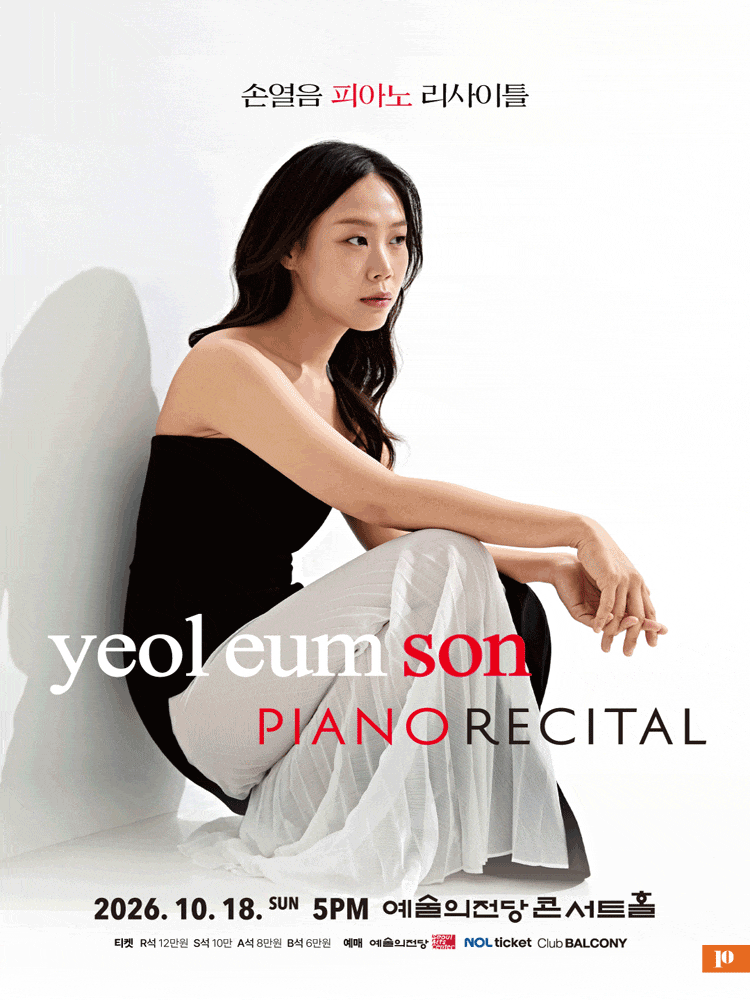 |
Classical, Gugak & Jazz Classical, Gugak & Jazz — A Pianist Closes the Season at the End of a Crowded WeekendIf the cover is about a city with too much happening at once, this is the quiet high note it ends on. On Oct 18, the pianist Son Yeol-eum gives a solo recital (손열음 피아노 리사이틀) at the Seoul Arts Center Concert Hall in Seocho-gu — one performer, one piano, a full hall. Son is among the most internationally recognized Korean pianists of her generation, and a solo recital is the most concentrated form the instrument takes: no orchestra, no soloist's safety net, just the player and the room. For a Sunday close to a week that has thrown everything at you, it's a deliberate choice of calm. |
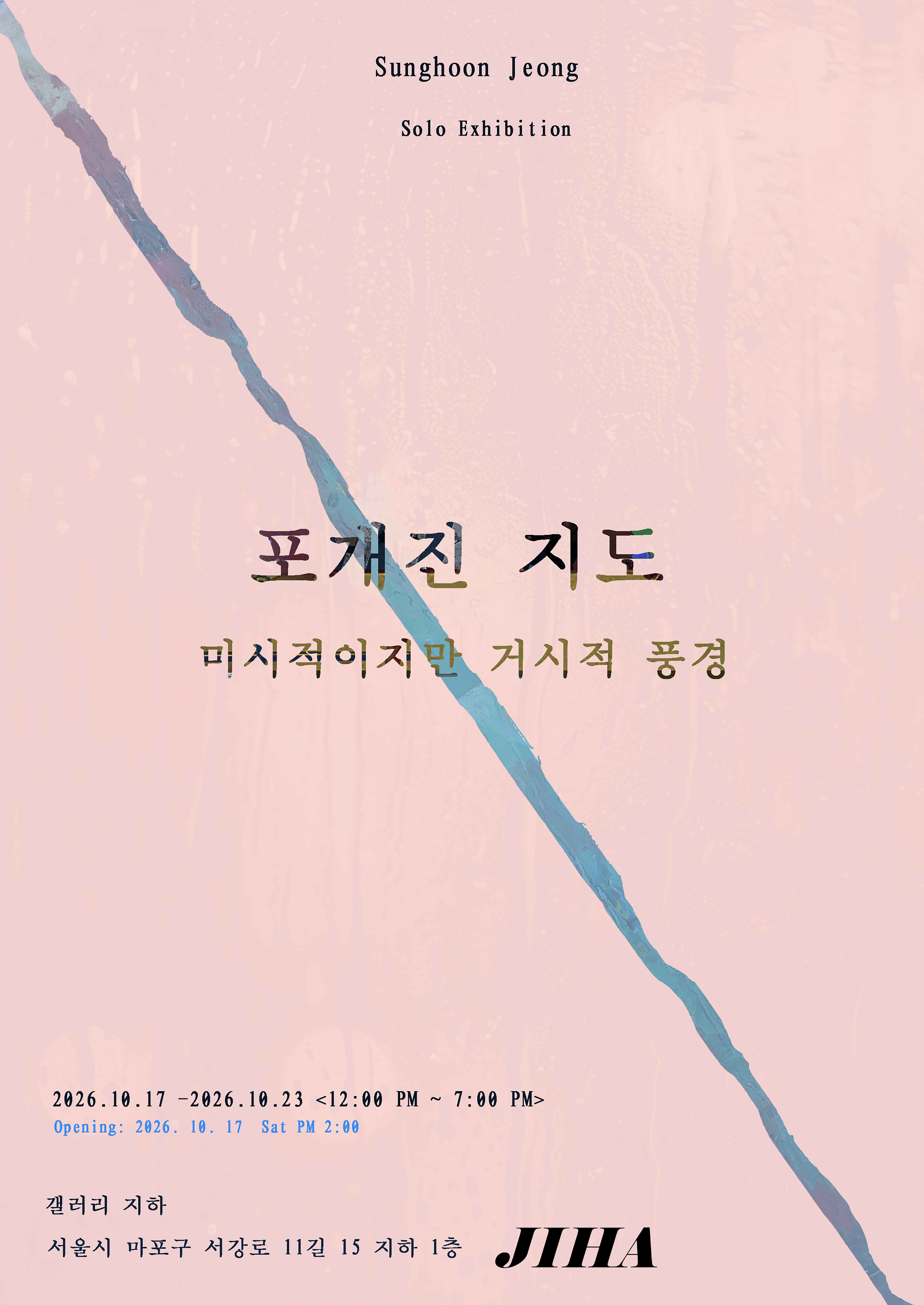 |
Exhibitions Exhibitions — A Small Gallery Opens in Hongdae, and Why Those Are Worth KnowingMost of this week's calendar is loud — festivals, orchestras, a packed concert campus. This is the opposite kind of thing, and it's the kind that a long-term resident learns to value. 《Overlapping Maps: A Microscopic but Macroscopic Landscape》 (《포개진 지도》 미시적이지만 거시적인 풍경) opens Oct 17 at Gallery Jiha in Mapo-gu — a small independent gallery near Hongdae — and runs through Oct 23. |
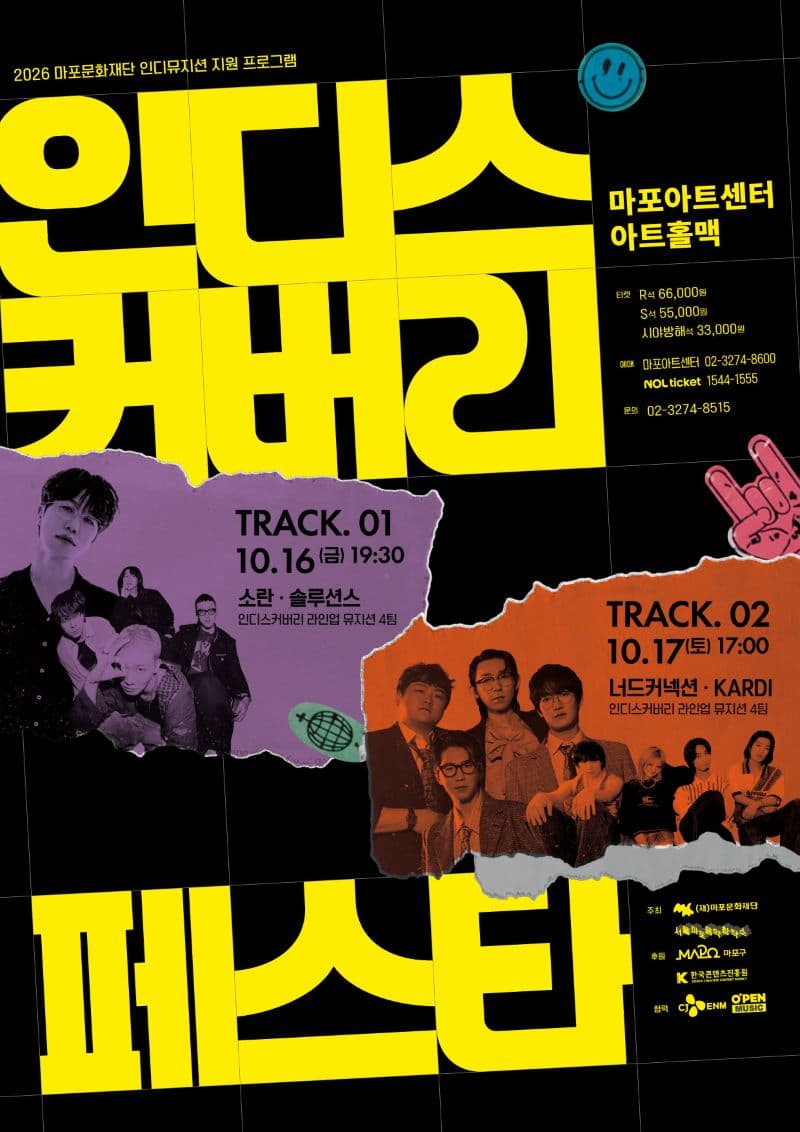 |
K-POP, Pop & Jazz K-POP, Pop & Jazz — Mapo's Indie Weekend, Two Tracks at the Arts CenterIf the arenas and big halls are where K-pop lives, the indie end of Korean pop has its own, smaller geography — and this weekend it concentrates in Mapo. The Mapo Foundation for Arts and Culture runs "Indiscovery: FESTA" (마포문화재단 인디스커버리: FESTA) across two nights at Mapo Art Center's Art Hall MAC: TRACK 01 (트랙 01) on Oct 16 and TRACK 02 (트랙 02) on Oct 17. |
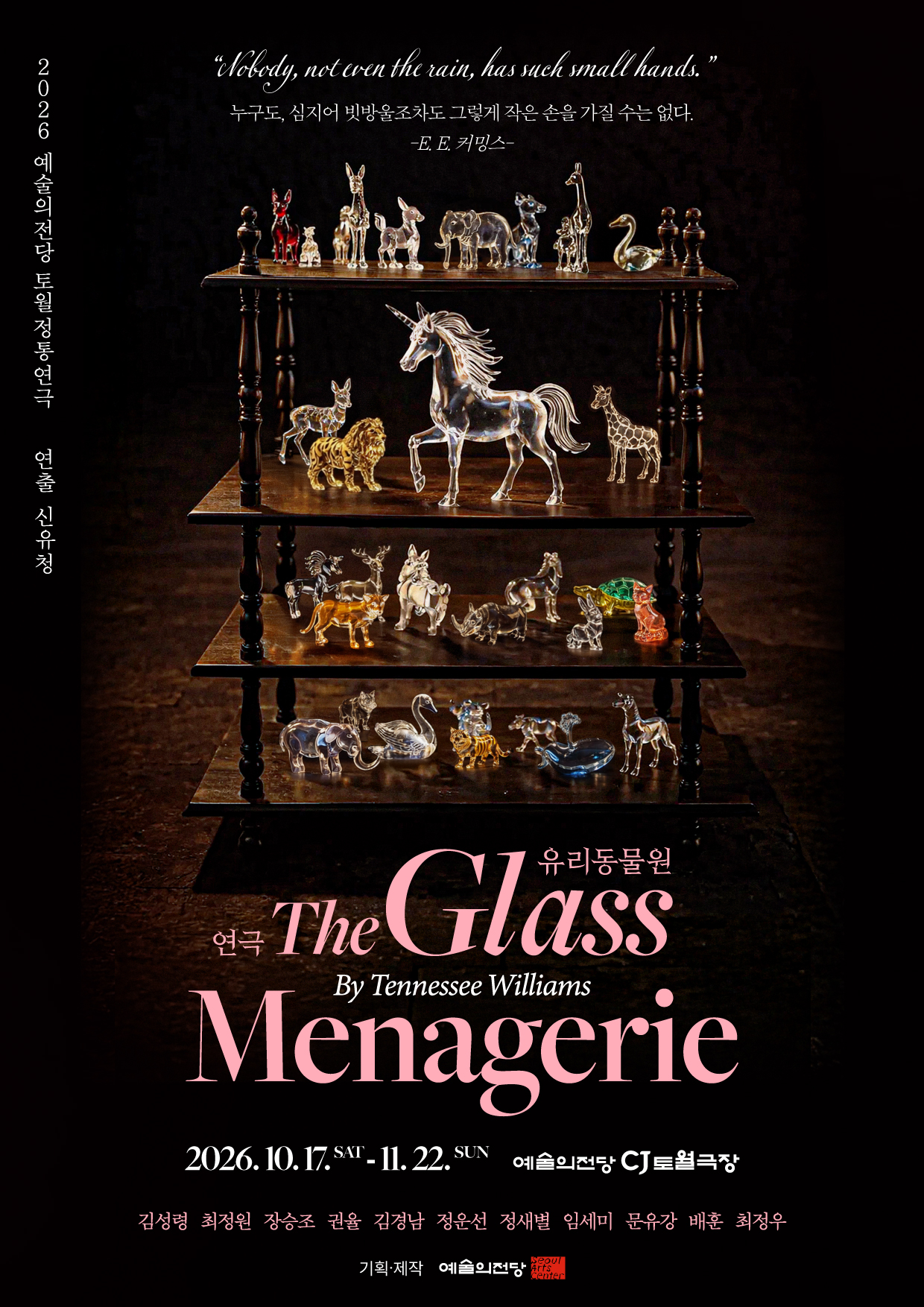 |
Performing Arts Performing Arts — Fall Theater Opens, in Two Very Different RegistersAutumn is when Seoul's theater and dance season gets going in earnest, and this week opens it on two fronts on the same day. At the center of the city, Tennessee Williams' *The Glass Menagerie* (연극 <유리동물원>) opens Oct 17 at the Seoul Arts Center's CJ Towol Theater in Seocho-gu and runs through Nov 22 — a long, serious staging of a canonical American play in one of the city's major houses. |
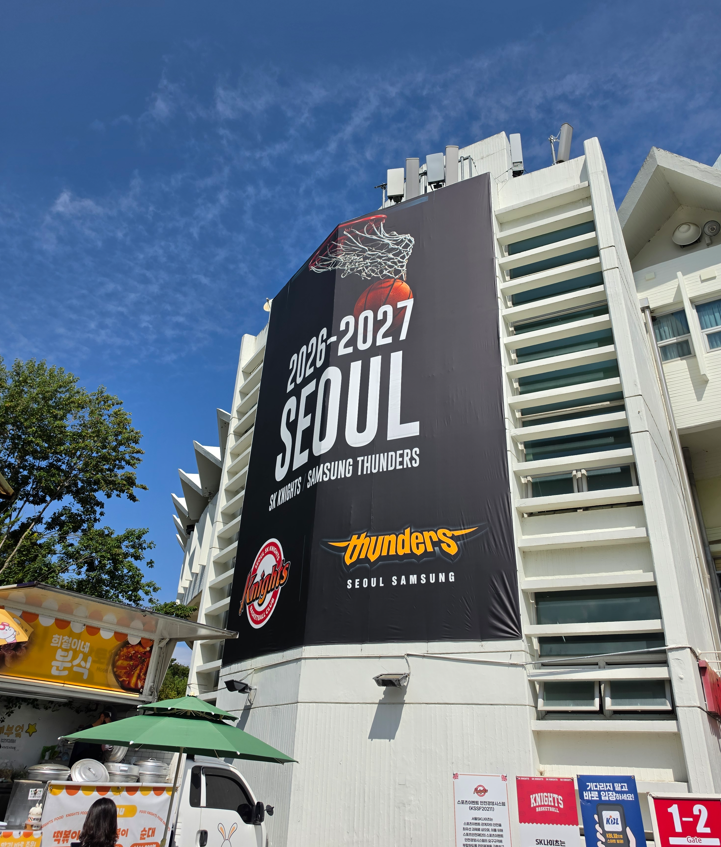 |
Sports Sports — The Basketball Season Tips Off at JamsilWith the baseball season winding down, the winter indoor sport takes over, and this is the week to catch it from the start. The Seoul SK Knights (서울 SK 나이츠), one of the KBL's Seoul clubs, play two home games at the Jamsil Students' Gymnasium in Songpa-gu inside this window: an afternoon game on Oct 18 (2:00 pm) and an evening game on Oct 20 (7:00 pm). |
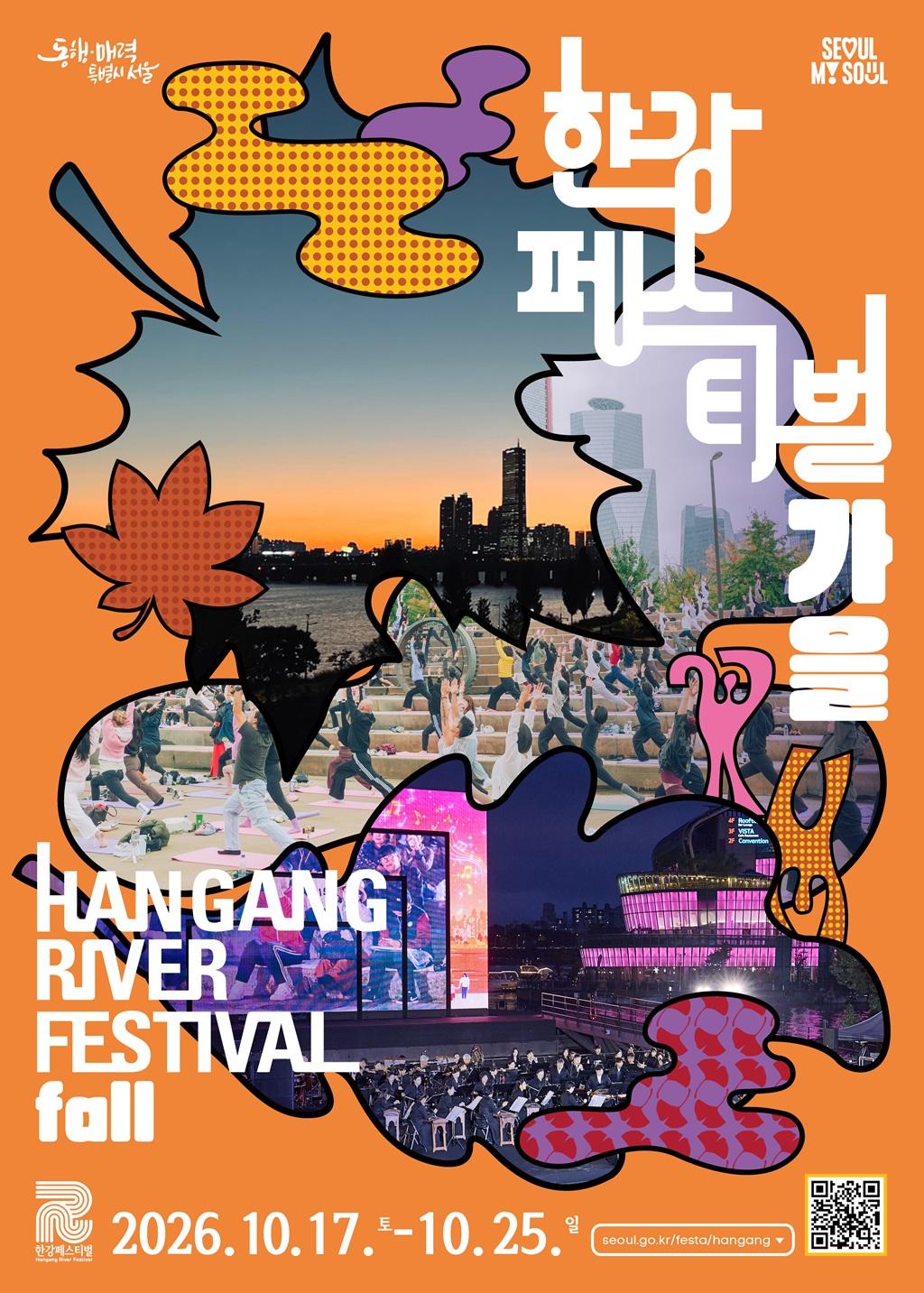 |
Festivals & Pop-ups Festivals & Pop-ups — The River Opens: the Han Becomes One Long Outdoor StageIf the cover is about the city's indoor stages filling up, this is the same week's outdoor counterweight — and it's free. The 2026 Hangang River Festival-Fall (2026 한강페스티벌-가을) runs Oct 17-25 across the Han River itself and the riverside parks (centered on Jamwon and Gangseo), turning the water and its banks into one long open-air program for nine days. Entry is free; some individual programs carry a fee, so check the festival listing for specifics before you plan a particular activity. |
Culture & Heritage Experiences
Namsangol Hanok Village Taekwondo Performance (남산골한옥마을 태권도 상설공연)A free, regularly scheduled taekwondo demonstration staged in the grounds of Namsangol Hanok Village in Jung-gu, at 2:00 pm and 4:00 pm on Oct 16-18 — the last weekend of the season's run. The hanok village itself is a restored cluster of traditional houses at the foot of Namsan in the center of the city, free to enter and worth an hour on its own; the taekwondo demonstration adds a sharp, wordless piece of performance to a wander through the old houses. No ticket, no Korean needed, and easy to reach on foot from Chungmuro. It pairs naturally with the autumn Jogyesa Chrysanthemum Festival (조계사 국화축제), free and running from Oct 13 at Jogyesa, the great downtown Buddhist temple in Jongno-gu, where the courtyard fills with chrysanthemum sculptures and seasonal displays — a short walk from Insadong and an easy add to a day in the old center. Info |
Upcoming: The Full Listings (2026-10-16 ~ 2026-10-22)
Every event in Seoul during this window (2026-10-16 ~ 2026-10-22), sorted by category.
Exhibitions 130 events More (130 total)
| 2026-08-26 ~ 2026-10-17 |
15th Doosan Yonkang Art Award Winner Jeong Yeo-reum Solo Exhibition [Plural]FREE · 두산아트센터 두산갤러리 (종로구) |
| 2026-10-01 ~ 2026-10-17 |
Lee Woong-cheol Solo Exhibition: Safe DistanceFREE · 인가희갤러리 (용산구) |
| 2026-07-16 ~ 2026-10-18 |
Martin Parr: We Are Martin Parr — Seoul Museum of PhotographyFREE · 서울시립 사진미술관, 서울 도봉구 |
| 2026-09-15 ~ 2026-10-18 |
Underground Seoul 2000: Baekje PotteryFREE · 한성백제박물관 기획전시실2 (송파구) |
| 2026-09-30 ~ 2026-10-18 |
*City Night* — Kim Hyejeong Solo ExhibitionNo price info · 어피스어피스 (종로구) |
| 2026-10-06 ~ 2026-10-18 |
THE OTHERSFREE · 문화실험공간 호수 2F 전시실 (송파구) |
| 2026-10-14 ~ 2026-10-18 |
2026 DDP Design FairPaid · DDP 아트홀 1관, 2관, 컨퍼런스홀 (중구) |
| 2026-10-01 ~ 2026-10-21 |
Exhibition [Contact Screen]FREE · 스페이스 카다로그 (중구) |
| 2026-10-01 ~ 2026-10-21 |
Contact ScreenNo price info · 스페이스 카다로그 (중구) |
| 2026-09-30 ~ 2026-10-22 |
*Life Lingers Here* ExhibitionNo price info · 슈페리어갤러리 (강남구) |
Classical 106 events More (106 total)
| 2026-03-12 ~ 2026-10-16 |
4th Myeonsarang Children's Song Choir FestivalNo price info · 서울아트센터 도암 도암홀 (종로구) |
| 2026-10-15 ~ 2026-10-16 |
2026 Seoul Philharmonic: Jaap van Zweden's Mozart "Jupiter" ① ②No price info · 예술의전당 [서울] 콘서트홀 (서초구) |
| 2026-10-15 ~ 2026-10-16 |
Seoul Philharmonic: Jaap van Zweden's Mozart "Jupiter" ①②Paid · 예술의전당 콘서트홀 (서초구) |
| 2026-10-16 ~ 2026-10-16 |
Juhee Kang Flute RecitalNo price info · 금호아트홀 연세 (서대문구) |
| 2026-10-16 ~ 2026-10-16 |
Yang Min-je Piano RecitalNo price info · 예술의전당 [서울] 리사이틀홀 (서초구) |
| 2026-10-16 ~ 2026-10-16 |
Park Jong-hae Piano Recital: Schubert AbendNo price info · 예술의전당 [서울] IBK기업은행챔버홀 (서초구) |
| 2026-10-16 ~ 2026-10-16 |
Hong Ji-yeon Cello Recital "DedicationNo price info · 세종문화회관 세종체임버홀 (종로구) |
| 2026-10-16 ~ 2026-10-16 |
18th Seoul International Music Festival Closing Concert: SIMF Orchestra with Krzysztof UrbańskiNo price info · 롯데콘서트홀 (송파구) |
| 2026-10-16 ~ 2026-10-16 |
Kim Hee-jung Piano RecitalNo price info · 예술의전당 [서울] 인춘아트홀 (서초구) |
| 2026-10-16 ~ 2026-10-16 |
Oh Sung-ju Sacred Choral ConcertNo price info · 영산아트홀 (영등포구) |
Theater 158 events More (158 total)
| 2026-09-29 ~ 2026-10-16 |
White Rabbit Red RabbitNo price info · 예술의전당 [서울] 자유소극장 (서초구) |
| 2026-10-15 ~ 2026-10-16 |
26th SPAF: Living Without Being Slapped Cannot Be All There Is to LifeNo price info · 아르코예술극장 |
| 2026-10-16 ~ 2026-10-16 |
14th GAF Performing Arts Festival, Homo Sacer: Bare LifeNo price info · 구로창의아트홀 |
| 2026-10-15 ~ 2026-10-17 |
Canterville Norebang [Daehangno]No price info · 창작공간 BBB |
| 2026-10-16 ~ 2026-10-17 |
Re: Bound Festival, 4-dong 3-ban Duplex IncidentNo price info · 도곡2문화센터 |
| 2026-10-16 ~ 2026-10-17 |
26th SPAF, Blur: When Boundaries Blur: PHI Studio, Riverbed Theatre, Onassis CultureNo price info · 서울문화재단 대학로극장 쿼드 (예술청) |
| 2026-10-17 ~ 2026-10-17 |
21st Seoul Creative Space Theater Festival: The Blue Dragon and Black Dragon's Sparkling UproarNo price info · 하자센터 |
| 2026-10-17 ~ 2026-10-17 |
2026 Seoul Creative Space Theater Festival (21st) — Competition Performance: The Sparkling Uproar of Blue Dragon and Black DragonFREE · 하자센터 본관 2층 999클럽 (영등포구) |
| 2026-07-31 ~ 2026-10-18 |
Stars of Seoul [Daehangno]No price info · 대학로 스타릿홀 |
| 2026-07-31 ~ 2026-10-18 |
Seoul's Stars [Daehangno]No price info · 대학로 스타릿홀 (종로구) |
Dance 16 events More (16 total)
| 2026-10-15 ~ 2026-10-16 |
National Gugak Center Dance Company Regular Performance, Sangseonyaksu: The Highest Good Is Like WaterNo price info · 국립국악원 예악당 (서초구) |
| 2026-10-15 ~ 2026-10-17 |
26th SPAF: HihistoryNo price info · 대학로예술극장 |
| 2026-10-16 ~ 2026-10-17 |
Ahn Aesoon Company, Dance Speaks: Moon So-ri × Lia KimNo price info · 성북미디어문화마루 꿈빛극장 |
| 2026-10-16 ~ 2026-10-17 |
Ahn Ae-soon Company: Dance Speaks — Moon So-ri × Lia KimPaid · 꿈빛극장 (성북구) |
| 2026-10-17 ~ 2026-10-17 |
2026 Eunpyeong Everybody Festival: Ambiguous Dance Company – The BeltNo price info · 은평문화예술회관 공연장 (은평구) |
| 2026-10-17 ~ 2026-10-17 |
All Company, PISTE: Eight MomentsNo price info · 서강대 메리홀 |
| 2026-10-17 ~ 2026-10-17 |
Eunpyeong Everybody Festival (EEBF), Ambiguous Dance Company: The BeltNo price info · 은평문화예술회관 |
| 2026-10-17 ~ 2026-10-17 |
Eunpyeong Cultural Foundation presents Ambiguous Dance Company: The Belt — 2026 EEBFPaid · 은평문화예술회관 공연장 (서울특별시 은평구 녹번로 16) (은평구) |
| 2026-10-13 ~ 2026-10-18 |
National Ballet of Korea — *Giselle*No price info · 예술의전당 오페라극장 (서초구) |
| 2026-10-13 ~ 2026-10-18 |
National Ballet of Korea, GiselleNo price info · 예술의전당 [서울] |
Performing Arts 25 events More (25 total)
| 2026-10-15 ~ 2026-10-17 |
David Babin & Adrien Mondot: Piano PianoNo price info · LG아트센터 서울 |
| 2026-10-17 ~ 2026-10-17 |
Sensory Walking Simulator: Before the LightNo price info · 모두예술극장 |
| 2026-08-01 ~ 2026-10-18 |
Doodle Pop [Seoul Gwangjin]No price info · 상상나라극장 |
| 2026-10-16 ~ 2026-10-18 |
Jongno Family Performance Festival: Il-Jang-Il-Ddan CollectionNo price info · 종로아이들극장 |
| 2026-10-17 ~ 2026-10-18 |
26th SPAF: Instant of an InstantNo price info · 국립극장 |
| 2026-10-17 ~ 2026-10-18 |
Part-Time Angel Showcase [Daehangno]No price info · 서울문화재단 대학로극장 쿼드 (예술청) |
| 2026-10-18 ~ 2026-10-18 |
Science Magic Show with AI RobotsNo price info · 서대문문화체육회관 (서대문구) |
| 2026-10-22 ~ 2026-10-28 |
Creating: Kkuduak, Time PlayNo price info · 국립정동극장 세실 (구.세실극장) |
| 2020-06-27 ~ 2026-10-31 |
CHOI SHIN-HYUK: IMAGINENo price info · 문엔트리 |
| 2024-11-01 ~ 2026-10-31 |
One Table MagicNo price info · 스튜디오 아르카나 |
Gugak & Heritage 39 events More (39 total)
| 2026-10-15 ~ 2026-10-16 |
Chanakkaebi Story [Daehangno]No price info · 아르코 꿈밭극장 |
| 2026-10-16 ~ 2026-10-16 |
Re:Bound Festival, Gil The WayNo price info · 상도어울마당 아트홀 |
| 2026-10-16 ~ 2026-10-16 |
Korea Gugak Orchestra Festival — Cheonan City Chungnam Gugak OrchestraNo price info · 세종문화회관 |
| 2026-10-17 ~ 2026-10-17 |
Seoul Autumn Festa, 4th Modu's Pungnyou: InwangsanNo price info · 인왕산 수성동계곡 |
| 2026-10-17 ~ 2026-10-17 |
Re:Bound Festival, Save Dongdong VillageNo price info · 노원어린이극장 (구.노원어울림극장) |
| 2026-10-17 ~ 2026-10-17 |
Korean Gugak Orchestra Festival, Seoul Metropolitan Gugak OrchestraNo price info · 세종문화회관 |
| 2026-05-09 ~ 2026-10-18 |
2026 Seoul Taekwondo DemonstrationFREE · 남산골한옥마을, DDP(동대문디자인플라자) 등, 서울 중구 |
| 2026-05-09 ~ 2026-10-18 |
2026 Seoul Taekwondo PerformanceNo price info · 남산골한옥마을, DDP(동대문디자인플라자) 등 (중구) |
| 2026-10-16 ~ 2026-10-18 |
Namsangol Hanok Village Taekwondo Standing PerformanceFREE · 남산골한옥마을 (중구) |
| 2026-10-18 ~ 2026-10-18 |
Gosari Sound Liquid Sound × A FilettaNo price info · 서울남산국악당 크라운해태홀 (중구) |
Musical & Opera 108 events More (108 total)
| 2026-10-16 ~ 2026-10-16 |
Seocho Cultural Center — Original Opera "Maeheon Yun Bong-gil: Morning in 1932 ShanghaiFREE · 서초문화예술회관 아트홀 (서초구) |
| 2026-10-17 ~ 2026-10-17 |
Hansel and Gretel [Seoul Nowon]No price info · 노원구민의전당(구. 노원구민회관) |
| 2026-10-17 ~ 2026-10-17 |
ONEPIECENo price info · 노들섬 |
| 2026-10-17 ~ 2026-10-17 |
Picking Your Nose [Seoul Guro]No price info · 오류아트홀 |
| 2026-10-17 ~ 2026-10-17 |
Frozen: A Winter's Tale [Seoul Seodaemun]No price info · 서대문문화체육회관 (서대문구) |
| 2026-07-10 ~ 2026-10-18 |
Dracula [Seoul]Paid · LG아트센터 서울 |
| 2026-07-10 ~ 2026-10-18 |
Dracula [Seoul]No price info · LG아트센터 서울 LG SIGNATURE 홀 (강서구) |
| 2026-07-28 ~ 2026-10-18 |
Portrait of a BoyNo price info · 티오엠씨어터(구. 문화공간필링) |
| 2026-07-28 ~ 2026-10-18 |
Portrait of a BoyNo price info · 티오엠씨어터(구. 문화공간필링) 2관 (종로구) |
| 2026-08-08 ~ 2026-10-18 |
Dream High Season 3: RebootNo price info · 광림아트센터, 서울 |
K-POP, Pop & Jazz 80 events More (80 total)
| 2026-10-16 ~ 2026-10-16 |
2026 Indie Discovery: FESTA — Track 01No price info · 마포아트센터 아트홀맥 (마포구) |
| 2026-10-16 ~ 2026-10-16 |
Bangguseok Series 07. Vibrato Bangguseok Live Concert: Ddaun's Deep Life Story in a Small UniverseNo price info · 비브라토 플러스 |
| 2026-10-16 ~ 2026-10-16 |
Whiteusedsocks Solo Concert: Live Your LifeNo price info · KT&G 상상마당 라이브홀 [마포] |
| 2026-10-16 ~ 2026-10-16 |
UNDERCITY presents, Bart SkilsNo price info · 언더시티 (UNDER CITY) |
| 2026-10-16 ~ 2026-10-16 |
Re.may 2nd Solo Concert: Road to Rockstar Vol.2No price info · 롤링홀 |
| 2026-10-16 ~ 2026-10-16 |
On: Concert, Lunils Lounge: DUOLOGUENo price info · 온쉼표 |
| 2026-10-16 ~ 2026-10-16 |
Hamano Haruki Korea Solo Concert — COVER GIRLs LIVE TOUR [Seoul]No price info · 웨스트브릿지 라이브홀 |
| 2026-10-16 ~ 2026-10-16 |
Mapo Cultural Foundation 2026 IndisCovery: FESTA TRACK 01Paid · 마포아트센터 아트홀맥 (마포구) |
| 2026-10-16 ~ 2026-10-17 |
GLOBAL CALLING: MORTENNo price info · 라이언슈퍼클럽(LION SUPER CLUB) |
| 2026-10-17 ~ 2026-10-17 |
2026 IndisDiscovery: FESTA — Track 02No price info · 마포아트센터 아트홀맥 (마포구) |
Family & Kids 5 events
| 2026-09-24 ~ 2026-10-18 |
National Theater Company [Anthropolis III] <Oedipus>No price info · 국립극단 명동예술극장, 서울 중구 |
| 2026-09-24 ~ 2026-10-18 |
National Theatre of Korea — Antropolis III: OedipusNo price info · 국립극단 [명동], 서울 |
| 2026-09-24 ~ 2026-10-18 |
National Theater Company [Anthropolis III] <Oedipus>No price info · 국립극단 명동예술극장 (중구) |
| 2026-09-24 ~ 2026-10-18 |
National Theater Company [Anthropolis III] *Oedipus*No price info · 국립극단 명동예술극장 (중구) |
| 2026-10-18 ~ 2026-10-18 |
9th Swans Ballet Company Annual Performance: Les Sylphides & NapoliNo price info · 서울아트센터 |
Festivals & Pop-ups 81 events More (81 total)
| 2026-10-07 ~ 2026-10-16 |
Sennok Bath House Seongsu Pop-upNo price info · 성수 (성동구) |
| 2026-10-16 ~ 2026-10-16 |
Sangdo Traditional Market Moonlight Night MarketNo price info · 상도전통시장 (동작구) |
| 2026-09-10 ~ 2026-10-17 |
2026 Changdeokgung Palace Moonlight Tour (Second Half)Paid · 창덕궁 (종로구) |
| 2026-10-09 ~ 2026-10-17 |
2026 Eunpyeong Everybody Festival (EEBF)No price info · 은평문화예술회관 (은평구) |
| 2026-10-16 ~ 2026-10-17 |
2026 Seoul Urban Agriculture ExpoFREE · 서울숲(동부공원여가센터 일원) (성동구) |
| 2026-10-17 ~ 2026-10-17 |
2026 Gwangjin Community Arts Festival: Dancing GwangjinFREE · 서울어린이대공원 열린무대 (광진구) |
| 2026-10-17 ~ 2026-10-17 |
2026 Sky Noise Drawing ContestFREE · 서서울호수공원 문화데크광장 (양천구) |
| 2026-10-17 ~ 2026-10-17 |
Sanggye Jungang Market Night Market (in conjunction with Nowon Moonlight Walk Danghyeoncheon Public Art Festival)No price info · 상계중앙시장 (노원구) |
| 2026-09-09 ~ 2026-10-18 |
2026 Deoksugung Palace Night at Seokjojeon (Second Half)Paid · 덕수궁 석조전 (중구) |
| 2026-10-09 ~ 2026-10-18 |
Kickflip Pop-up Store @ SeongsuNo price info · 성동구 아차산로5길 24-14 (성수) |
Sports 7 events
| 2026-10-17 ~ 2026-10-18 |
#O.Un.Han – 2026 Hangang Festival AutumnPaid · 잠원한강공원 다목적운동장(럭비장) (강남구) |
| 2026-10-18 ~ 2026-10-18 |
Seoul E-Land FC vs Gimhae (Hana Bank K League 2 2026)Paid · 목동 레울파크, 서울 양천구 |
| 2026-10-18 ~ 2026-10-18 |
Seoul SK Knights Home Game (KBL)No price info · 잠실학생체육관 (송파구) |
| 2026-10-18 ~ 2026-10-18 |
Seoul SK Knights Home GameNo price info · 잠실학생체육관 (송파구) |
| 2026-10-20 ~ 2026-10-20 |
Seoul SK Knights KBL Home GameNo price info · 잠실학생체육관 (송파구) |
| 2026-10-20 ~ 2026-10-20 |
Seoul SK Knights KBL Home GameNo price info · 잠실학생체육관 (송파구) |
| 2026-10-21 ~ 2026-10-21 |
KBL Seoul Samsung Thunders Home GameNo price info · 잠실학생체육관 (송파구) |
Community & Talks 7 events
| 2026-10-16 ~ 2026-10-16 |
[National Hangeul Museum] 2026 4th International Museum Forum — Advance RegistrationNo price info · 한국프레스센터 20층 국제회의장 (중구) |
| 2026-09-11 ~ 2026-10-23 |
Phone-Free Book Club in the City GardenPaid · 아이파크몰 용산점 7F 더 루프탑 미니정원, 서울 용산구 |
| 2026-10-16 ~ 2026-10-23 |
Phone-Free Book Club in a Downtown GardenPaid · 아이파크몰 용산점 7F 더 루프탑 미니정원 (용산구) |
| 2026-10-01 ~ 2026-10-31 |
Seogang Library Podcast Episode 72: Our SeheeFREE · 온라인 팟빵 (마포구립서강도서관) |
| 2025-12-22 ~ 2026-11-30 |
Seoul Youth Culture Pass 2026 – Applications OpenFREE · 온라인 접수 |
| 2026-01-22 ~ 2026-12-24 |
Mapo District Seogang Library Reading Discussion Club [2026: Thu, Chat]FREE · 마포구립서강도서관 3층 Book C (마포구) |
| 2025-12-22 ~ 2026-12-31 |
Seoul Youth Culture Pass 2026 Applications OpenFREE · 온라인 접수 (중구) |
Seoul Weekly.
A weekly, judged brief on Seoul's exhibitions, performances, festivals and city events.
Pick one: KakaoTalk or email
By subscribing you agree to our privacy policy · Unsubscribe anytime
2026-W42 · Published weekly: Tue (KO) · Thu (EN)
Publisher & Editor: Jong Suk Won · Contact: weekly@swarm56.com · Subscribe · Privacy Policy · © 2026 Seoul Weekly
SW56 Inc. · CEO Jong Suk Won · Business Registration No. 220-88-65416 · 6, Teheran-ro 79-gil, Gangnam-gu, Seoul