| Seoul ● City Culture, Weekly | KO · EN |
| Seoul Weekly. | 2026 — W37 Sep 11 (Fri) – Sep 17 (Thu) |
|
Cover Story · 2026 W37 For One Week, the City Bends Toward a Single Festival: SIDance Turns 29The busiest cultural thing in Seoul right now is not a venue or a headliner. It's a festival that refuses to sit in one place. The Seoul International Dance Festival — SIDance (제29회 서울세계무용축제) reaches its 29th edition, and its programme threads straight through the days this issue covers, moving from the east bank of the river to the foot of Namsan over a single week. If you have been meaning to try contemporary dance and kept stalling on the language, this is the week to stop stalling: almost none of it needs a word of Korean, because almost none of it uses words at all. It starts east of the river, at Naru Art Center in Gwangjin-gu — a district hall most residents have never had a reason to enter. Three nights of new Korean choreography open the run: Ahamartproject: Nwiyeot Nwiyeot–Aseurahi (아함아트프로젝트: 뉘엿 뉘엿-아스라히) on September 8, Body Gradation (열혈예술청년단: 바디 그라데이션) on September 8–9, and the triple bill Triplebill & Geuraedo, LIVE: Im Hyun-jung & Kim Jae-duk (트리플빌 & 그래도, LIVE) on September 10. |
Top Picks
Don't miss these this fortnight
Seoul Street Arts Festival 2026 (서울거리예술축제 2026)The city's flagship street-arts festival: outdoor, all-ages, no ticket and no booking, with a line-up that runs to nine international works from five countries alongside eleven domestic productions across dozens of sessions. It is the single largest open-door programme of that weekend, and because it is street performance rather than staged theatre, the language barrier is close to zero — you walk up and watch. The best default plan for a Saturday with nothing booked. |
![izna Concert Tour: WHO DAT GIRL? [Seoul]](http://www.kopis.or.kr/upload/pfmPoster/PF_PF296718_260723_112546.gif) |
izna Concert Tour: WHO DAT GIRL? [Seoul]A girl group's solo tour lands in Seoul for two nights at one of the city's big concert complexes. If you follow K-pop from abroad, this is a core-demand ticket; if you don't, it's a straightforward, high-energy arena show. Booking routes through KOPIS, so expect a Korean-first checkout — set the account up in advance rather than on the night. |
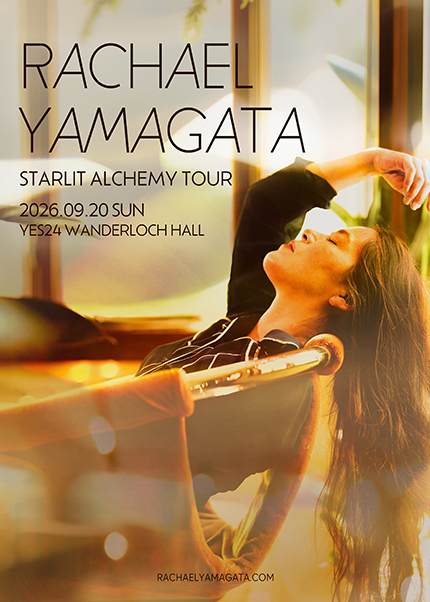 |
Rachael Yamagata 내한공연 (레이첼 야마가타)The American singer-songwriter returns to Seoul, and this is the pick on the list you can walk into with no cultural homework at all: English lyrics, an intimate hall in the low thousands rather than an arena, and the kind of show where the room matters more than the spectacle. Tickets are on sale now. |
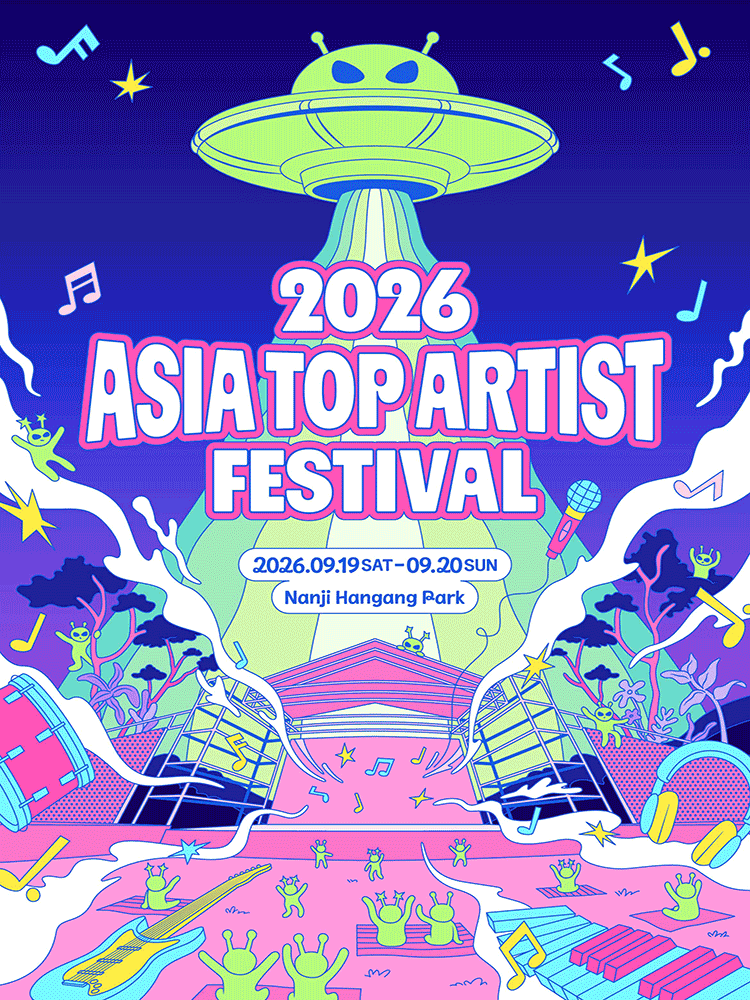 |
Asia Top Artist FestivalAn outdoor pop festival on the riverfront, which makes it one of the easier big-music tickets of the weekend to actually enjoy — open air, room to move, and a park you can reach without a car. A different proposition from the seated Olympic Park shows across town on the same nights. |
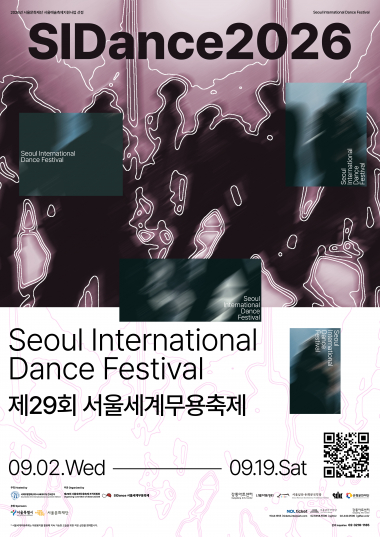 |
SIDance — Every Living Moment (제29회 서울세계무용축제, 살아 있는 모든 순간)One more programme from the festival on this issue's cover, on a night at the very end of the window. Contemporary dance in a traditional music hall, non-verbal, central — the pick for anyone who read the cover and wants a single, self-contained evening rather than the whole week. |
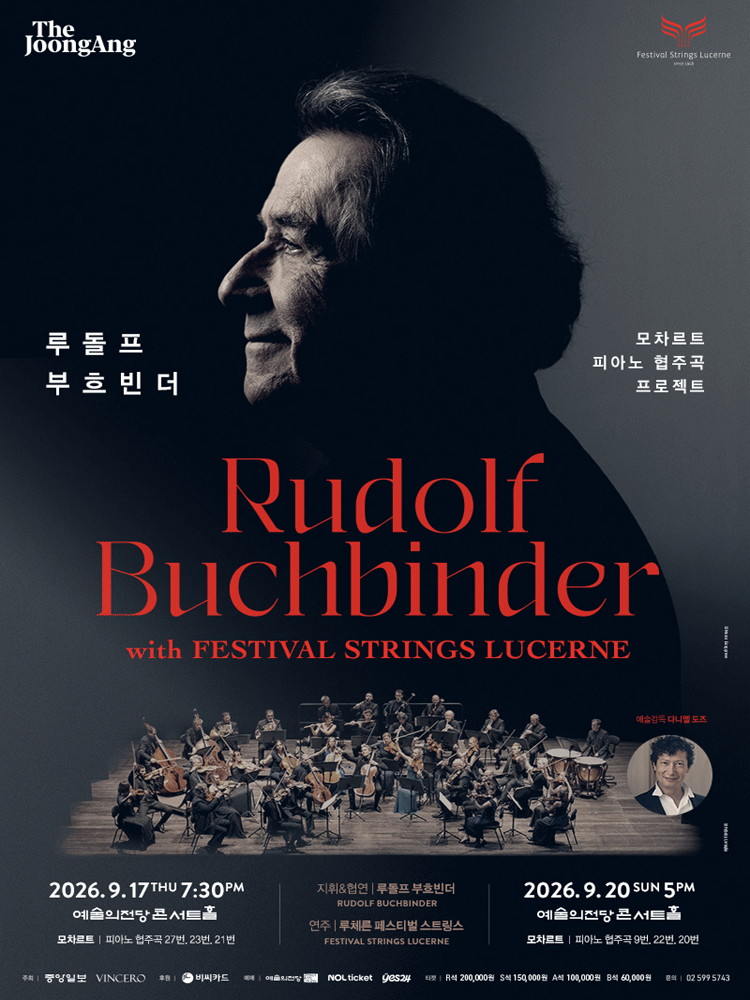 |
Buchbinder — Mozart Piano Concerto Project II (루돌프 부흐빈더 모차르트 피아노 협주곡 프로젝트 Ⅱ)Rudolf Buchbinder, one of the living authorities on the Viennese classical repertoire, continues his Mozart concerto cycle in Seoul. A world-class name at a world-class hall, and — like all instrumental music — one that asks nothing of your Korean. If your ear leans classical, this is the weekend's ceiling. |
LG Twins vs Hanwha Eagles (KBO)The most foreigner-legible night out in the city: it's the same baseball you already know, the standings are tightening as the season closes, the food is good and you can bring your own, and the section cheering is easy to join by imitation. Jamsil sits on Line 2 at Sports Complex, a short walk from the Olympic Park concerts. You need to know no player's name to have a good evening. |
ODCF 2026 — A Rehearsal for the World Not Yet Come (아직 오지 않은 세계를 위한 리허설)A hybrid culture festival built around the boundary between humans and animals, technology and life — talks, film, exhibition, book-talks and performance under one roof in Hannam-dong. The catch worth flagging: much of the programme is talk-based and Korean-language, so it rewards curiosity about the subject more than casual drop-in. Festival Pass 100,000 won / Day-1 All Pass 75,000 / Day Pass 55,000. |
Deep Dives
Six categories, in depth
|
K-POP · Pop · Jazz K-POP, Pop & Jazz — One weekend, four ways into live musicSeptember 19–20 is the busiest pop weekend on this calendar, and if you sort it by room rather than by name, it stops looking like a scheduling pile-up and starts looking like a map of how live music in this city actually works. The biggest room is a park: the KB Joyol Park Festival (KB 조이올팍 페스티벌) takes over Olympic Park across both days, while the Asia Top Artist Festival does the same at Nanji Hangang Park. Then the seated rooms: izna Concert Tour: WHO DAT GIRL? plays two nights at Olympic Park's indoor complex, and Rachael Yamagata 내한공연 brings an American singer-songwriter to YES24 WonderLock Hall on September 20 — the one show here where the intimacy is the product. |
|
Exhibitions Exhibitions — Three free shows, and all of them close this monthIf you want art you can see for nothing and without a plan, September is quietly generous — but each of these has a closing date, and two of them fall inside the next two weeks. The one worth building an afternoon around is The House of Materials (재(材)의 집) at Namsangol Hanok Village, up until September 20. Across the river in Yeongdeungpo, the art-and-technology exhibition Anthropology Exercise: Are Humans Us? runs through September 20, Tue–Sun 12:00–20:00. And the one with the nearest deadline: Colored Field (컬러의 들판), Song In-heon's painting at Sejong Museum Gallery, free, 10:00–17:00, closing September 16. |
|
Performing Arts Performing Arts — The fan dance is a hundred years old, not a thousandThere is a useful thing to know before you next watch Korean "traditional" dance: a good deal of what looks timeless was invented within living memory. A Century of Sin Muyong — the Kim Baek-bong Centennial (신무용 100주년, 김백봉 탄생 100년 기념공연) plays the National Gugak Center on September 9, marking a hundred years since the birth of the dancer who did more than anyone to build the modern Korean stage-dance repertoire — including the buchaechum, the fan dance now treated as a national emblem. That framing carries into the rest of the month's dance: SIDance: Every Living Moment at Namsangol Gugakdang on September 19, and the 9th Seoul International Dance Festival in Tank at the Oil Tank Culture Park, September 21–23. |
|
Classical · Gugak · Jazz Classical, Gugak & Jazz — Three pianists inside two weeks, and what each is worthSeoul's autumn piano calendar arrives in a clump, and this stretch offers a small clinic in how to read one. Start with the veteran: Kun-Woo Paik (백건우 피아노 리사이틀), part of Mapo Arts Center's M Classic Festival, plays Art Hall Mac on September 10 — R seats 80,000 won, S seats 60,000. The very next night, Valentina Igoshina (발렌티나 이고시나 피아노 리사이틀) plays the same hall on September 11 — R seats 30,000 won, S seats 20,000: the low-stakes way to test whether you actually like the piano recital as a form. And then the authority: Rudolf Buchbinder (부흐빈더 모차르트 피아노 협주곡 프로젝트 Ⅱ) brings the second instalment of his Mozart concerto project to Seoul Arts Center on September 20. |
|
Festivals · Pop-ups · City Events Festivals & Pop-ups — A weekend of outdoor city festivalsThe third weekend of September is when Seoul's outdoor-festival season peaks, and the striking thing is how much of it is free. The free anchor is the 2026 Darumdaum Festival (2026 다름다움 페스티벌) at Banpo Hangang Park's Yebit-seom on September 20, 13:00–20:00 — a civic-participation festival on an outdoor riverside stage, free, open to anyone. It shares the weekend with the Seoul Street Arts Festival (this issue's Top Pick) over at Ttukseom and Seoul Forest, also free and also outdoors. The ticketed counterweight is ODCF 2026 in Hannam-dong the same two days — indoors, paid (passes from 55,000 won), built around talks and performance on the future of life and technology. |
|
Sports Sports — The pennant race comes to JamsilSpectator sport in Seoul this week is baseball, and that is a gift if you have wanted a night out that needs no Korean, no advance study and no cultural homework. The LG Twins host the Hanwha Eagles at Jamsil Baseball Stadium on both September 19 (17:00) and September 20 (14:00) — a Saturday-evening game and a Sunday matinee. Korean baseball is the most foreigner-legible live event in the city: the sport is one you already know, the food is good and you may bring your own, the section-by-section cheering is easy to join by imitation, and upper-deck seats are among the cheapest live entertainment in Seoul. Jamsil is on Line 2 at Sports Complex, a short walk from the same weekend's Olympic Park concerts. You do not need to know a single player's name to have a good evening. |
Culture & Heritage Experiences
Tradition you can build into any week
Royal Guard-Changing Ceremonies at Gyeongbokgung & Deoksugung (경복궁·덕수궁 수문장 교대의식)The two palace guard ceremonies are the easiest heritage viewing in central Seoul, both free and both non-verbal. At Gyeongbokgung, in front of Heungnyemun, the guard-changing runs 10:00 and 14:00, the Gwanghwamun gate-guard ceremony 11:00 and 13:00, and an open guard-training display 09:35 and 13:35 — closed Tuesdays, and the ceremony is free though palace admission is separate. At Deoksugung, the royal guard-changing takes place at the Daehanmun gate daily except Mondays, around 11:00 and 14:00; note that Daehanmun construction has occasionally shifted the ceremony to a temporary spot beside the gate, so confirm on the day. |
Overnight Templestay: Jingwansa & Geumsunsa (진관사·금선사 1박 템플스테이)Two Seoul temples run English-language overnight stays, bookable year-round through templestay.com. Jingwansa in Eunpyeong-gu (adults 70,000 won) is the standard introduction: lantern-making, the evening meal, the bell-tolling, tea and the 108 prostrations, with the evening programme finishing by 21:00 and a dawn service the next morning. Geumsunsa, tucked below Bukhansan (adults 60,000 won), adds an 08:00 mountain walk after breakfast and a tea conversation with a monk — the better pick if you want the temple and the trail in one weekend. Both run on reservation rather than a fixed calendar, so book ahead. |
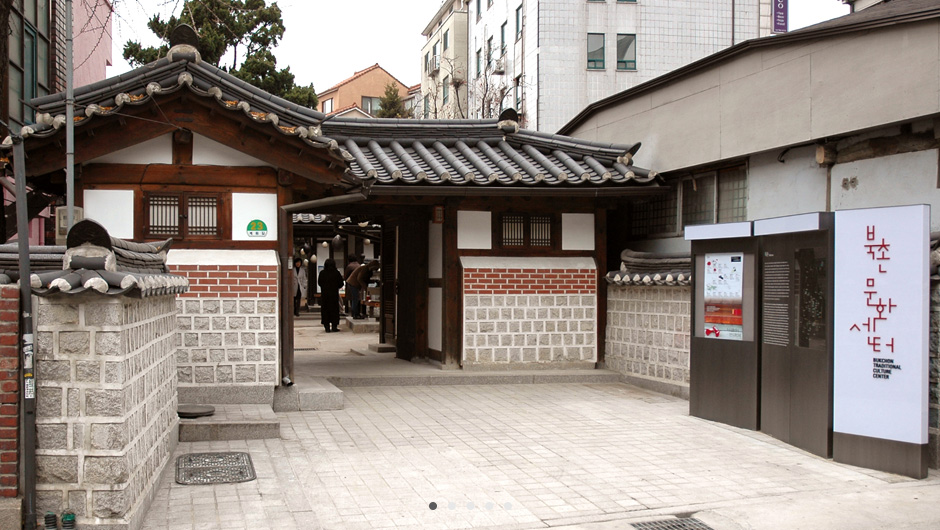 |
Bukchon Traditional Culture Center (북촌문화센터)A free, drop-in hanok at 37 Gyedong-gil in Jongno-gu, in the middle of Bukchon village: exhibits on the house's structure and history alongside hands-on tea, craft and gugak sessions. Open Tue–Fri 09:00–18:00 and weekends 09:00–17:00, with Wednesday evenings extended to 20:00 — and closed Mondays, which catches people out. No ticket, no booking, and an easy pairing with a walk through the village lanes. |
Events this week (Sep 11 – Sep 17)
Every event in Seoul during this issue's window (2026-09-11 – 09-17), listed by category.
전시 147건 더보기 (전체 147건)
| 2026-07-28 ~ 2026-09-11 |
KF–조지아공과대학교 협력전시 <크로싱 그라운드>정보 없음 · KF갤러리, 서울 중구 |
| 2026-07-28 ~ 2026-09-11 |
KF–조지아공과대학교 협력전시 <크로싱 그라운드>정보 없음 · KF갤러리 (중구) |
| 2026-07-01 ~ 2026-09-12 |
여름식탁 : 여섯 개의 손, 하나의 식탁FREE · 국가유산체험센터 1층 케잇 갤러리, 서울 성동구 |
| 2026-08-05 ~ 2026-09-12 |
[갤러리지우헌] 김보경, 서민정 [두 개의 달]정보 없음 · 갤러리 지우헌 |
| 2026-08-24 ~ 2026-09-12 |
PARALLAX(시차): Where We Meet정보 없음 · 용산문화재단, 서울 용산구 |
| 2026-08-24 ~ 2026-09-12 |
[용산문화재단] 협력전시 [PARALLAX(시차): Where We Meet]FREE · 용산문화재단 1층 팝업홀 (용산구) |
| 2026-08-25 ~ 2026-09-12 |
2026 S1472 공간지원 기획사업 <공간드림 1472> 선정작가 전시_이찌고세연 개인전정보 없음 · 관천로 문화플랫폼 S1472, 서울 관악구 |
| 2026-08-25 ~ 2026-09-12 |
2026 S1472 공간지원 기획사업 [공간드림1472] 선정작가 전시_이찌고세연 개인전 《보이지 않는 감정 기후》FREE · 관천로 문화플랫폼 S1472 (관악구) |
| 2026-08-25 ~ 2026-09-12 |
2026 S1472 공간지원 기획사업 <공간드림 1472> 선정작가 전시_이찌고세연 개인전정보 없음 · 관천로 문화플랫폼 S1472 (관악구) |
| 2026-06-11 ~ 2026-09-13 |
바람의 길목 DMZ정보 없음 · 대한민국역사박물관, 서울 종로구 |
클래식 129건 더보기 (전체 129건)
| 2026-08-16 ~ 2026-09-11 |
유영듀오 제3회 정기연주회: Cosmos Series I - THE SHORES OF COSMIC OCEAN정보 없음 · 도곡2문화센터 오유아트홀 |
| 2026-08-21 ~ 2026-09-11 |
문화아트살롱 Season 1. 맹자의 마음, 소리와 사유하다정보 없음 · 칼린마갤러리 |
| 2026-09-11 ~ 2026-09-11 |
유서현 귀국 리코더 독주회정보 없음 · 금호아트홀 연세 |
| 2026-09-11 ~ 2026-09-11 |
제58회 서울음악제정보 없음 · 세종문화회관 |
| 2026-09-11 ~ 2026-09-11 |
프레미오 파올로 보르치아니 국제 현악 사중주 콩쿠르 투어: 이든 콰르텟정보 없음 · 반포심산아트홀 |
| 2026-09-11 ~ 2026-09-11 |
ENSEMBLE VEN 앙상블밴 콘서트: 사랑과 열정의 공존정보 없음 · 백암아트홀 |
| 2026-09-11 ~ 2026-09-11 |
케이앤프렌즈의 FM 클래식 콘서트정보 없음 · 예술의전당 [서울] |
| 2026-09-11 ~ 2026-09-11 |
제31회 연세대학교 피아노 소사이어티 연주회 : Russian Pianism정보 없음 · 영산아트홀, 서울 영등포구 |
| 2026-09-11 ~ 2026-09-11 |
[서울] 조재혁 음반발매기념 리사이틀: 모차르트 에센셜정보 없음 · 예술의전당 [서울] IBK기업은행챔버홀, 서울 서초구 |
| 2026-09-11 ~ 2026-09-11 |
[마포문화재단] 제11회 M 클래식 축제 <발렌티나 이고시나 피아노 리사이틀>정보 없음 · 마포아트센터 아트홀맥, 서울 마포구 |
연극 178건 더보기 (전체 178건)
| 2026-09-11 ~ 2026-09-11 |
걸리버 여행기: 줌 인 아웃 [서울]정보 없음 · 강남씨어터 |
| 2026-09-11 ~ 2026-09-11 |
2026년 야간 공연 관람권_[잽,잽-투!]유료 · 연극실험실 혜화동 1번지 (종로구) |
| 2026-09-11 ~ 2026-09-11 |
2026년 야간 공연 관람권_[인간찬가(仁奸纂歌)]유료 · 극장 동국 (종로구) |
| 2026-09-11 ~ 2026-09-11 |
2026년 야간 공연 관람권_[달빛 품은 가로등]유료 · 아르코꿈밭극장, 서울 종로구 |
| 2026-09-11 ~ 2026-09-12 |
STAGE 100: 연극제, 바쁜 사람들정보 없음 · NC문화재단 홀 |
| 2026-09-11 ~ 2026-09-12 |
구름다방정보 없음 · 플랫폼 엘 |
| 2026-07-01 ~ 2026-09-13 |
연극 <타인의 삶>정보 없음 · LG아트센터 서울 U+스테이지, 서울 강서구 |
| 2026-07-01 ~ 2026-09-13 |
타인의 삶 [서울]정보 없음 · LG아트센터 서울 |
| 2026-07-01 ~ 2026-09-13 |
[서울]타인의 삶정보 없음 · LG아트센터 서울 U+ 스테이지, 서울 강서구 |
| 2026-07-09 ~ 2026-09-13 |
결혼전야 [대학로]유료 · 후암스테이지 |
무용 34건 더보기 (전체 34건)
| 2026-09-10 ~ 2026-09-11 |
고요한 소란: 평안하게 하라정보 없음 · 한국콘텐츠진흥원 CKL스테이지 |
| 2026-09-11 ~ 2026-09-12 |
박영성, 불편한 휴식정보 없음 · M극장 |
| 2026-09-11 ~ 2026-09-12 |
제29회 서울세계무용축제, 코스모스인아트: 新인류 아가미인간정보 없음 · 서울문화예술교육센터 은평(서울무용창작센터) |
| 2026-09-11 ~ 2026-09-12 |
제29회 서울세계 무용축제, Yon Natalie Mik x 23 Degrees x Banu C. Tulu: 위 홀드 더 라인정보 없음 · 나루아트센터 |
| 2026-09-11 ~ 2026-09-12 |
박영성 <불편한 휴식>정보 없음 · M극장 (강남구) |
| 2026-09-12 ~ 2026-09-12 |
Edit-opia (에디토피아)정보 없음 · 갤러리99 |
| 2026-09-12 ~ 2026-09-12 |
제29회 서울세계무용축제, 춤추다추임: 갓을 쓴 도깨비, 갓깨비정보 없음 · 나루아트센터 |
| 2026-09-10 ~ 2026-09-13 |
무감서기정보 없음 · 세종문화회관 세종대극장, 서울 종로구 |
| 2026-09-10 ~ 2026-09-13 |
[세종문화회관] 26세종시즌 [무감서기]유료 · 세종대극장 (종로구) |
| 2026-09-11 ~ 2026-09-13 |
김보람, 관통시팔유료 · 성수아트홀(성수문화복지회관) |
공연예술 23건 더보기 (전체 23건)
| 2026-09-12 ~ 2026-09-12 |
[서울갤러리] 추향저격 라이브 [매직메이커 도재혁]FREE · 서울갤러리 지하 1층 공연장 (중구) |
| 2026-09-17 ~ 2026-09-17 |
제1020회 목요예술무대: 엉뚱하면 어때?정보 없음 · 강남씨어터 |
| 2026-08-01 ~ 2026-09-20 |
[서울상상나라] 두들팝유료 · 상상나라극장 (광진구) |
| 2026-09-04 ~ 2026-09-20 |
[대학로] 음악극 소요유: 아름다운 여행을 시작하는 생전 장례식 콘서트정보 없음 · 대학로 스카이씨어터 (종로구) |
| 2024-12-01 ~ 2026-09-27 |
매직 사이언스 콘서트 [대학로]정보 없음 · 명륜아트홀 |
| 2026-07-25 ~ 2026-09-27 |
달콤한나라의 버블매직쇼정보 없음 · 브이씨어터, 서울 |
| 2021-12-02 ~ 2026-09-30 |
난타 [명동]정보 없음 · 명동난타극장 |
| 2022-07-08 ~ 2026-09-30 |
난타 (NANTA) 명동 상설공연유료 · 명동난타극장, 유네스코회관 3층, 서울 중구 |
| 2024-11-01 ~ 2026-09-30 |
원테이블 매직정보 없음 · 스튜디오 아르카나 |
| 2025-04-25 ~ 2026-09-30 |
헝키쇼 (HUNKY SHOW)유료 · 스타스테이지 |
국악·전통 48건 더보기 (전체 48건)
| 2026-09-11 ~ 2026-09-11 |
음악그룹 나무 콘서트: The Second Ring정보 없음 · Vel.R 벨르 (구. 벨로주 [홍대]) |
| 2026-09-11 ~ 2026-09-11 |
민지원의 아쟁독주회: 무 (無, 舞)정보 없음 · 서울돈화문국악당, 서울 종로구 |
| 2026-09-11 ~ 2026-09-11 |
동국대학교 건학 120주년 기념, 제1회 한국음악과 정기연주회정보 없음 · 국립국악원 예악당, 서울 서초구 |
| 2026-09-11 ~ 2026-09-11 |
제1회 한국음악과 동국대학교 건학 120주년 기념 정기연주회: 120년의 유산, 한국 음악의 미래정보 없음 · 국립국악원 |
| 2026-09-11 ~ 2026-09-11 |
제36회 KBS국악대경연 [결선연주회]FREE · KBS홀 (영등포구) |
| 2026-09-11 ~ 2026-09-11 |
제2회 김한백 소금 독주회 <소금창고 프로젝트 Ⅱ>정보 없음 · JCC 아트센터 콘서트홀 (종로구) |
| 2026-09-12 ~ 2026-09-12 |
국가무형유산 종묘제례악 보태평·정대업 일무전장 열한 번째 연작: 팔풍의 몸짓, 일무정보 없음 · 국립국악원 |
| 2026-09-12 ~ 2026-09-12 |
컨템포러리 국악그룹 울림, 사계정보 없음 · 도곡2문화센터 |
| 2026-09-12 ~ 2026-09-12 |
퓨전 국악 콘서트: 얼정보 없음 · 강서아트리움 |
| 2026-09-10 ~ 2026-09-13 |
세종시즌, Gut: Whispering Steps, 무감서기정보 없음 · 세종문화회관 |
뮤지컬·오페라 83건 더보기 (전체 83건)
| 2026-09-10 ~ 2026-09-12 |
[2026공연봄날 공식선정작] 캔터빌의 유령FREE · CTS아트홀 (동작구) |
| 2026-06-25 ~ 2026-09-13 |
해몽가 [대학로]유료 · 예스24 스테이지(구. DCF대명문화공장) |
| 2026-06-25 ~ 2026-09-13 |
해몽가정보 없음 · 예스24 스테이지(구. DCF대명문화공장) 1관, 서울 종로구 |
| 2026-06-30 ~ 2026-09-13 |
스트라빈스키 [대학로]유료 · 예스24아트원(구.대학로아트원씨어터) |
| 2026-06-30 ~ 2026-09-13 |
[대학로] 스트라빈스키정보 없음 · 예스24아트원, 서울 종로구 |
| 2026-07-29 ~ 2026-09-13 |
최애가 사라졌다 [대학로]정보 없음 · 브릭스씨어터 (구. 콘텐츠 그라운드 구. 브로드웨이아트홀 [3관]) |
| 2026-07-29 ~ 2026-09-13 |
[대학로] 최애가 사라졌다정보 없음 · 브릭스씨어터 (구. 콘텐츠 그라운드 구. 브로드웨이아트홀 [3관]), 서울 종로구 |
| 2026-08-20 ~ 2026-09-13 |
[서울 금천] 금도끼 은도끼정보 없음 · 레미어린이극장 [금천], 서울 금천구 |
| 2026-08-21 ~ 2026-09-13 |
좀비 [서울 관악]정보 없음 · 남극장(NAM THEATER) |
| 2026-08-21 ~ 2026-09-13 |
[서울 관악] 좀비정보 없음 · 남극장(NAM THEATER), 서울 관악구 |
K-POP·대중음악·재즈 82건 더보기 (전체 82건)
| 2026-09-11 ~ 2026-09-11 |
@WANDERLOCH with THE SOLUTIONS X 87dance정보 없음 · 예스24 원더로크홀 |
| 2026-09-11 ~ 2026-09-11 |
박강수 콘서트: 가을이라 하겠네정보 없음 · 베짱이홀 |
| 2026-09-11 ~ 2026-09-11 |
Super Rookie Challenge. Vocal: Season 1, Round 1정보 없음 · 프리즘홀 (프리즘플러스) |
| 2026-09-11 ~ 2026-09-11 |
HY LIVE SERIES & MILLI MILLI JAA EHH! ASIA TOUR IN SEOUL정보 없음 · 큐브컨벤션센터(CCC) |
| 2026-09-11 ~ 2026-09-11 |
어슬렁 어슬렁 콘서트, #가을: 에피톤 프로젝트정보 없음 · 영등포아트홀 |
| 2026-09-11 ~ 2026-09-11 |
수상한스테이지 (09.11)정보 없음 · 수상한창고 |
| 2026-09-11 ~ 2026-09-12 |
GLOBAL CALLING: ELDER BROOK in SEOUL정보 없음 · 라이언슈퍼클럽(LION SUPER CLUB) |
| 2026-09-12 ~ 2026-09-12 |
클래스메이트 시즌2: 5th 세션정보 없음 · 후케즈 |
| 2026-09-12 ~ 2026-09-12 |
장애인 밴드 우박이지 콘서트: 우리의 시간을 듣다 [대학로]정보 없음 · 대학로 이음센터(한국장애인문화예술원) |
| 2026-09-12 ~ 2026-09-12 |
HEEBIN 싱글 발매 단독 공연: 스며드는 시간정보 없음 · 우무지 |
축제·팝업·도시이벤트 52건 더보기 (전체 52건)
| 2026-09-11 ~ 2026-09-11 |
2026 성북라이브 행사정보 없음 · 월곡오거리 달빛광장, 서울 성북구 |
| 2026-09-11 ~ 2026-09-11 |
[리빙랩 앵커 센터] 2026 성북:라이브FREE · 성북구 월곡꿈그림도서관 월곡오거리 달빛광장, 서울 성북구 |
| 2026-09-11 ~ 2026-09-12 |
제6회 문촌리페스타유료 · 술술센터 인근 골목 (영등포구) |
| 2026-09-11 ~ 2026-09-12 |
2026 종로한복축제정보 없음 · 광화문광장 일대, 서울 종로구 |
| 2026-09-11 ~ 2026-09-12 |
2026 용산 국가유산 야행FREE · 효창공원 (용산구) |
| 2026-09-12 ~ 2026-09-12 |
2026 동대문구 북 페스티벌 [책력장: 펼쳐라 책, 뛰어라 몸!]FREE · 동대문구청 미래광장 및 다목적 강당 |
| 2026-09-12 ~ 2026-09-12 |
2026 서울시 함께 어울림 페스티벌FREE · 정릉천복합문화공간 DDM스케이트파크 |
| 2026-09-12 ~ 2026-09-12 |
[마포문화재단] 독립책방과의 만남, 2026년 5th 무대 위의 책방FREE · 마포아트센터 광장 일대 |
| 2026-09-12 ~ 2026-09-12 |
제12회 잠원나루 축제FREE · 잠원체육공원(잠원동 61-6) |
| 2026-09-03 ~ 2026-09-13 |
서울라이트 DDP 2026 가을정보 없음 · 동대문디자인플라자(DDP) 전면부 및 일대, 서울 중구 |
스포츠 6건
| 2026-09-12 ~ 2026-09-12 |
두산 vs NC (KBO 정규시즌)유료 · 잠실야구장, 서울 송파구 |
| 2026-09-12 ~ 2026-09-12 |
키움 vs 롯데 (KBO 정규시즌)유료 · 고척 스카이돔, 서울 구로구 |
| 2026-09-12 ~ 2026-09-12 |
서울 이랜드 FC vs 수원 (K리그2)정보 없음 · 목동 레울파크 (양천구) |
| 2026-09-12 ~ 2026-09-12 |
서울 이랜드 FC vs 수원 (하나은행 K리그2 2026)유료 · 목동 레울파크, 서울 양천구 |
| 2026-09-13 ~ 2026-09-13 |
두산 vs NC (KBO 정규시즌)유료 · 잠실야구장, 서울 송파구 |
| 2026-09-16 ~ 2026-09-16 |
두산 vs 삼성 (KBO 정규시즌)유료 · 잠실야구장, 서울 송파구 |
커뮤니티·강연·밋업 3건
| 2026-09-11 ~ 2026-10-23 |
도심 정원에서 만나는 폰-프리 북클럽유료 · 아이파크몰 용산점 7F 더 루프탑 미니정원, 서울 용산구 |
| 2026-01-22 ~ 2026-12-24 |
[마포구립서강도서관] 독서토론회 [2026년 목, 수다]FREE · 마포구립서강도서관 3층 Book C (마포구) |
| 2025-12-22 ~ 2026-12-31 |
[서울시] 2026년 서울청년문화패스 신청자 모집FREE · 온라인 접수 (중구) |
Pick one: KakaoTalk or email
| Get it on KakaoTalk → |
By subscribing you agree to our privacy policy · Unsubscribe anytime
Seoul Weekly.
A weekly, judged brief on Seoul's exhibitions, performances, festivals and city events.
2026-W37 · Published weekly: Tue (KO) · Thu (EN)
Publisher & Editor: Jong Suk Won · Contact: weekly@swarm56.com · Subscribe · Privacy Policy · © 2026 Seoul Weekly
SW56 Inc. · CEO Jong Suk Won · Business Registration No. 220-88-65416 · 6, Teheran-ro 79-gil, Gangnam-gu, Seoul